




English 17th Century Posy Ring
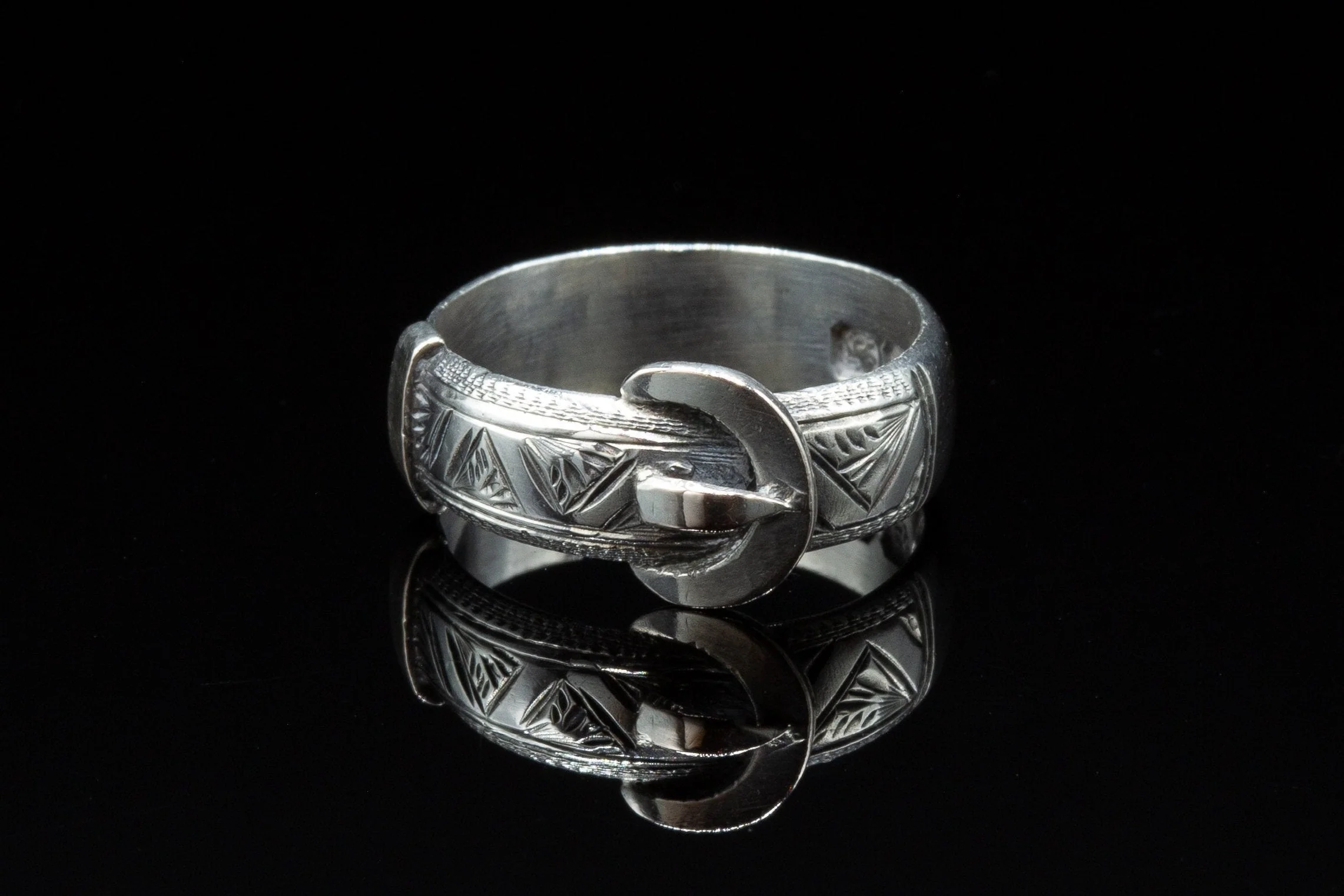
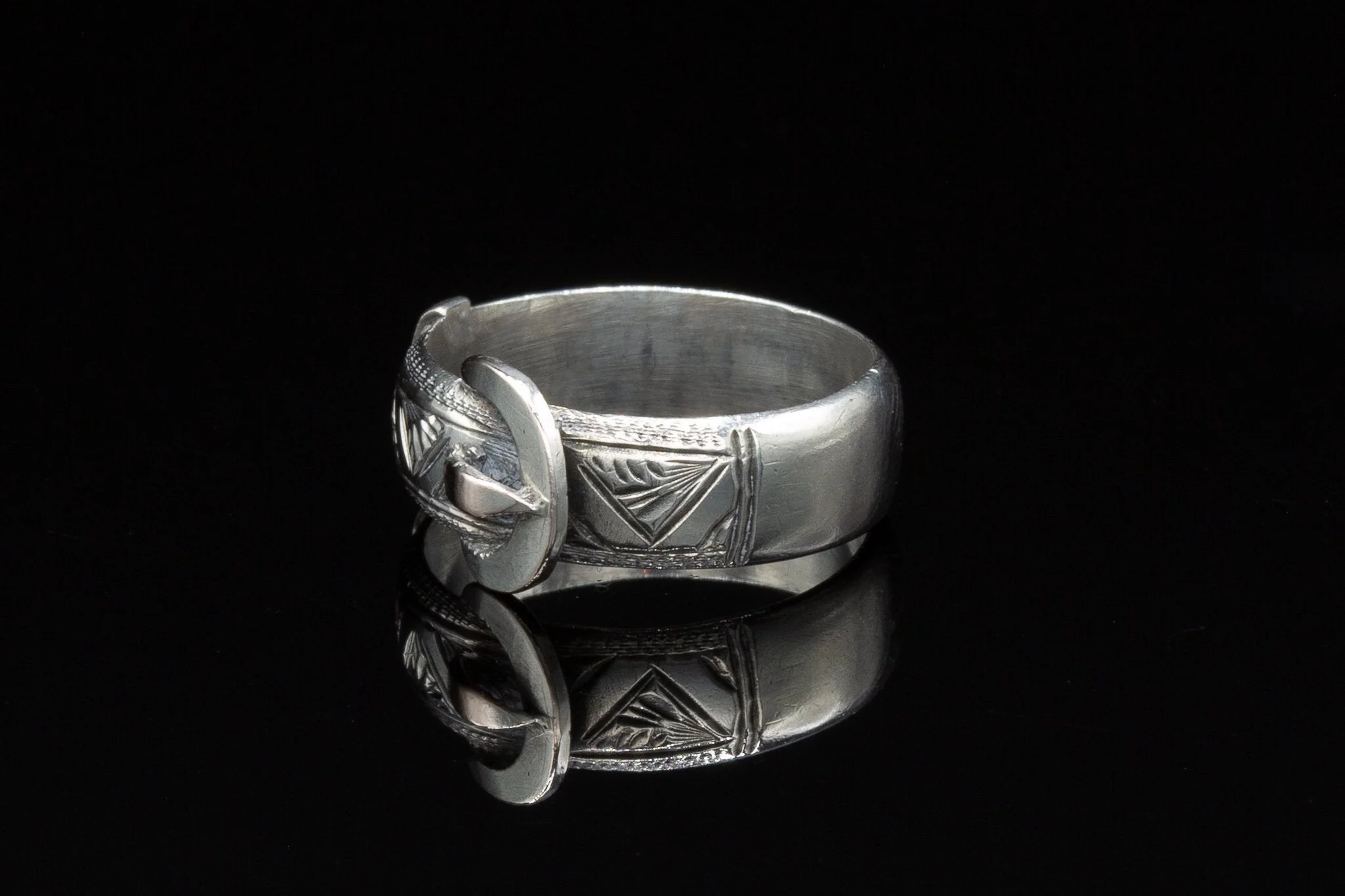
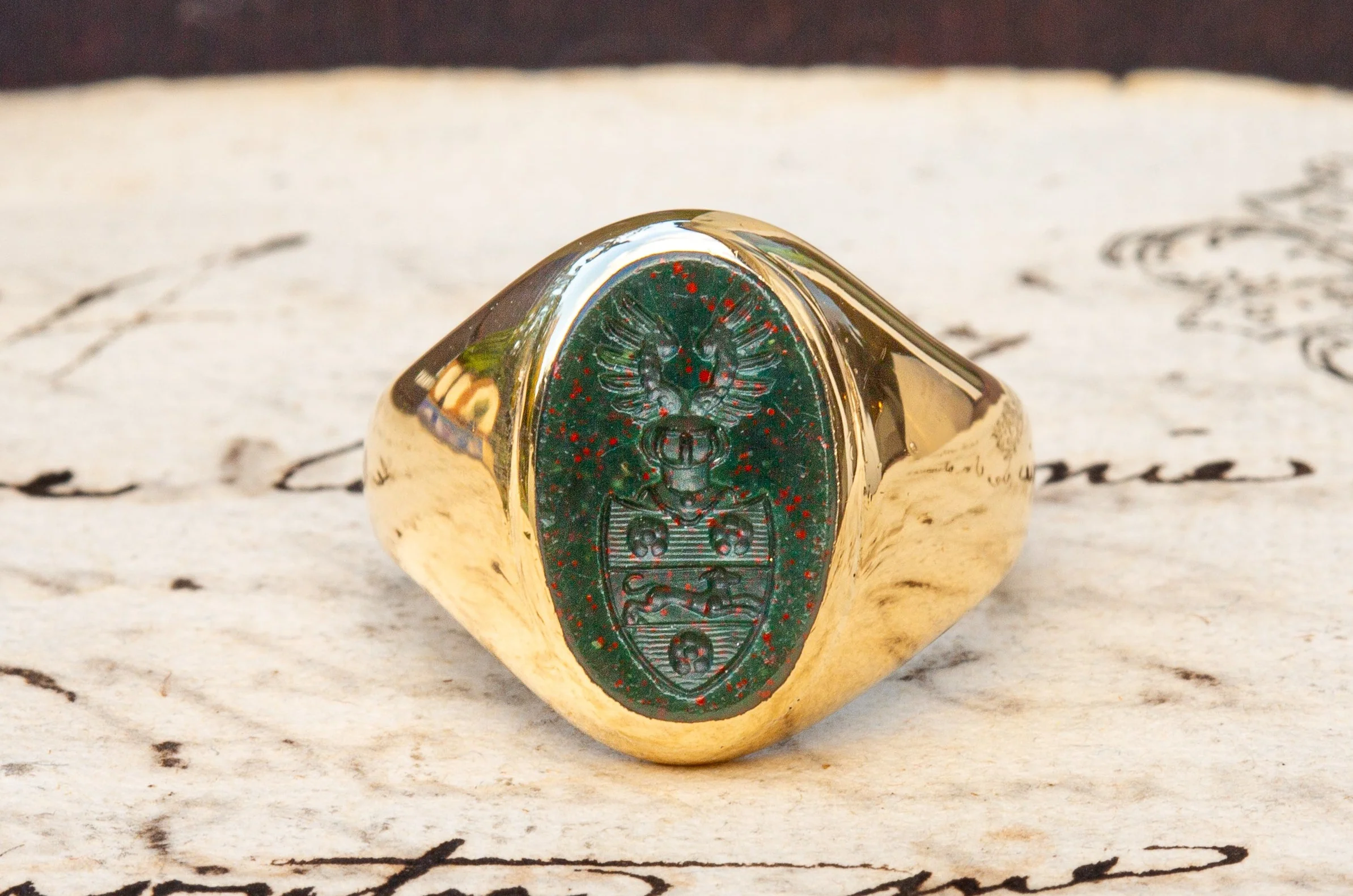
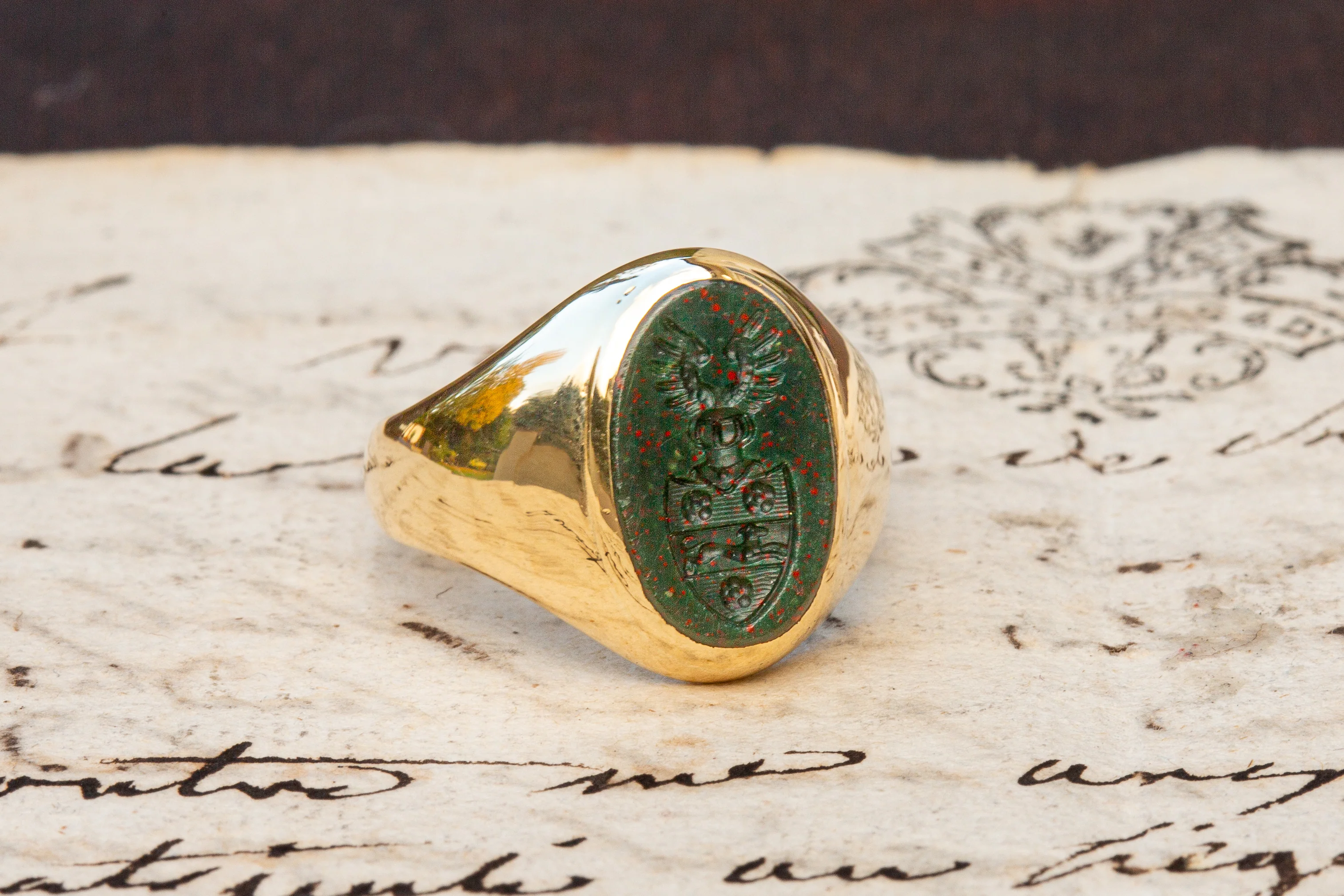
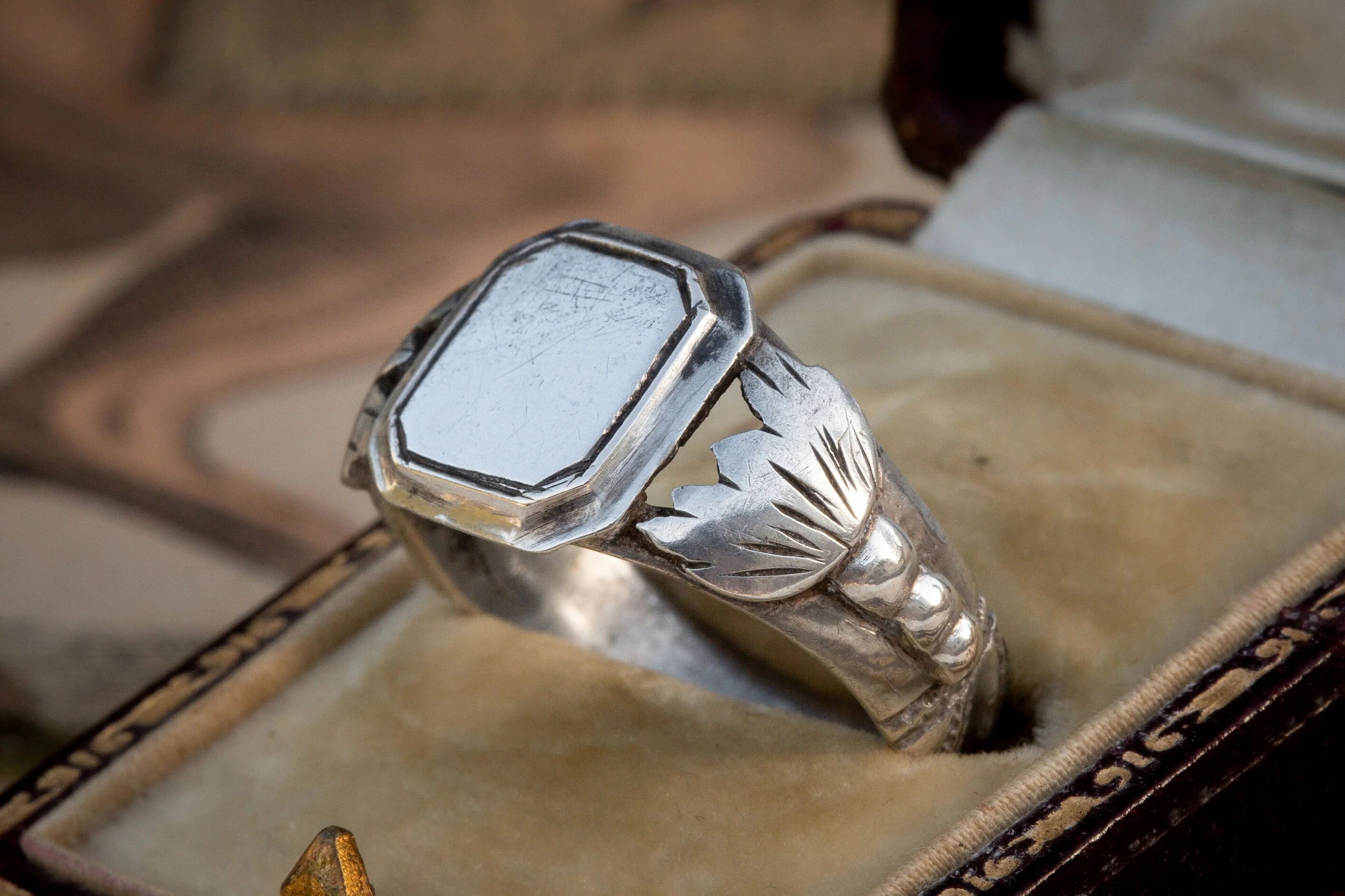
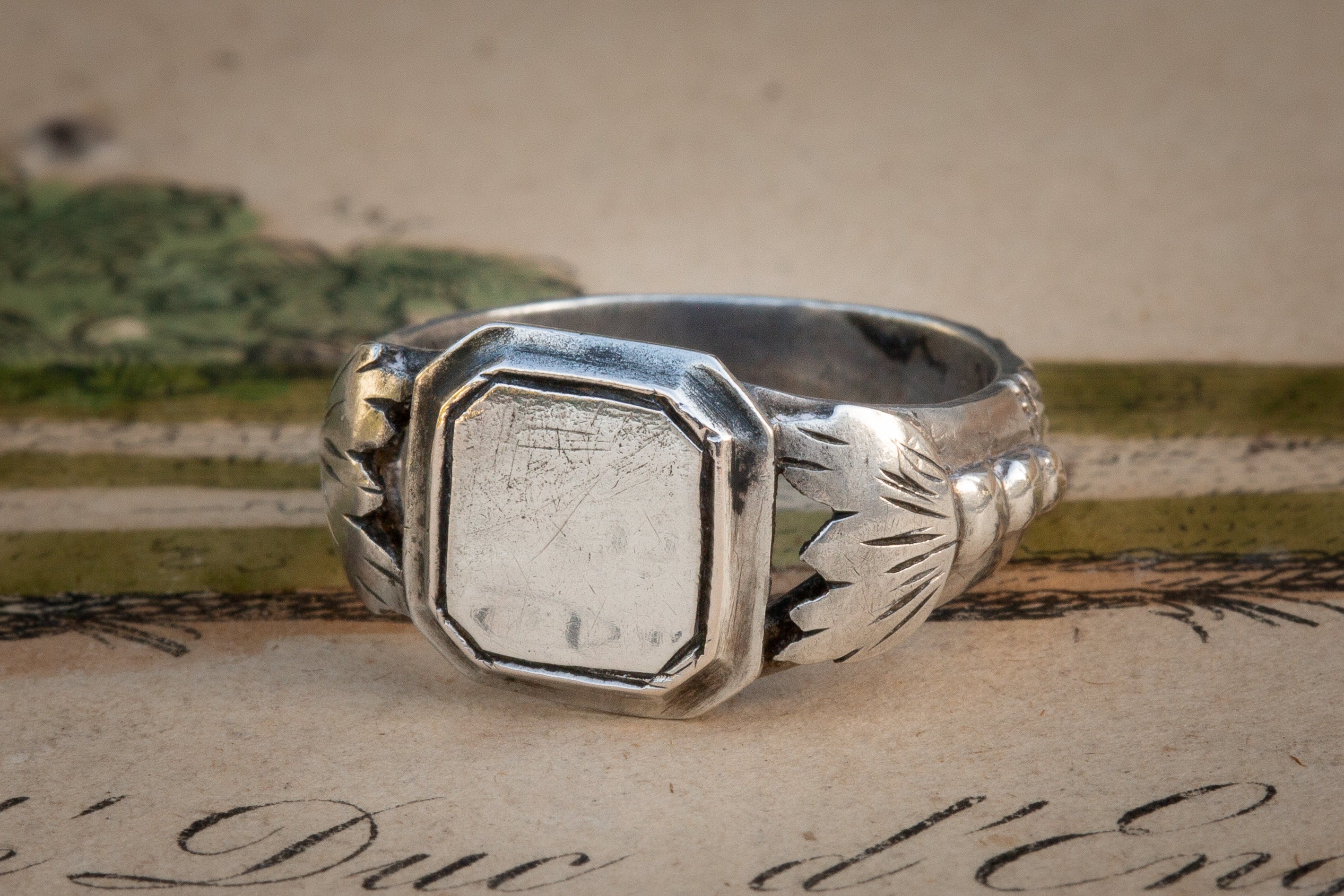
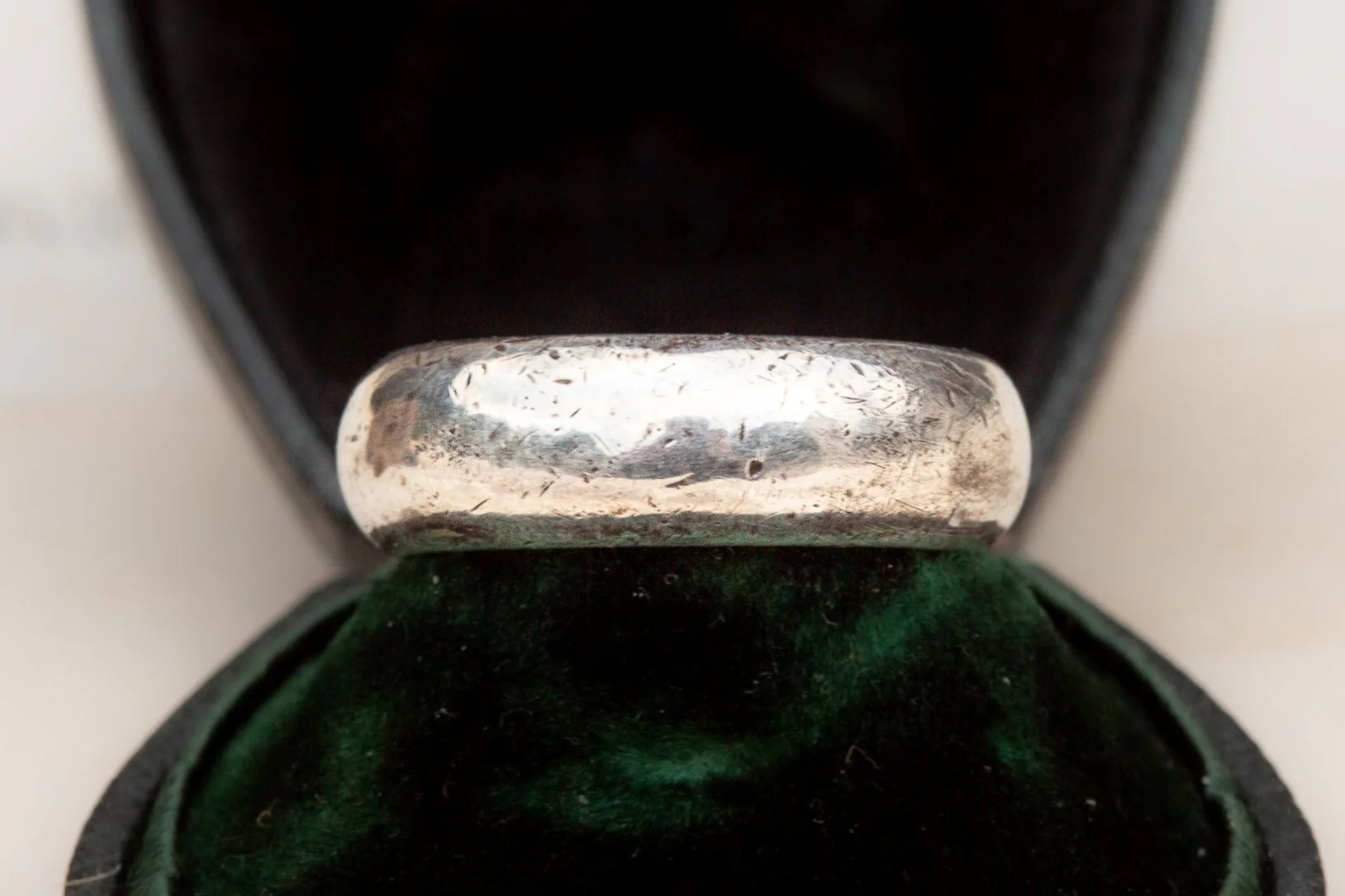
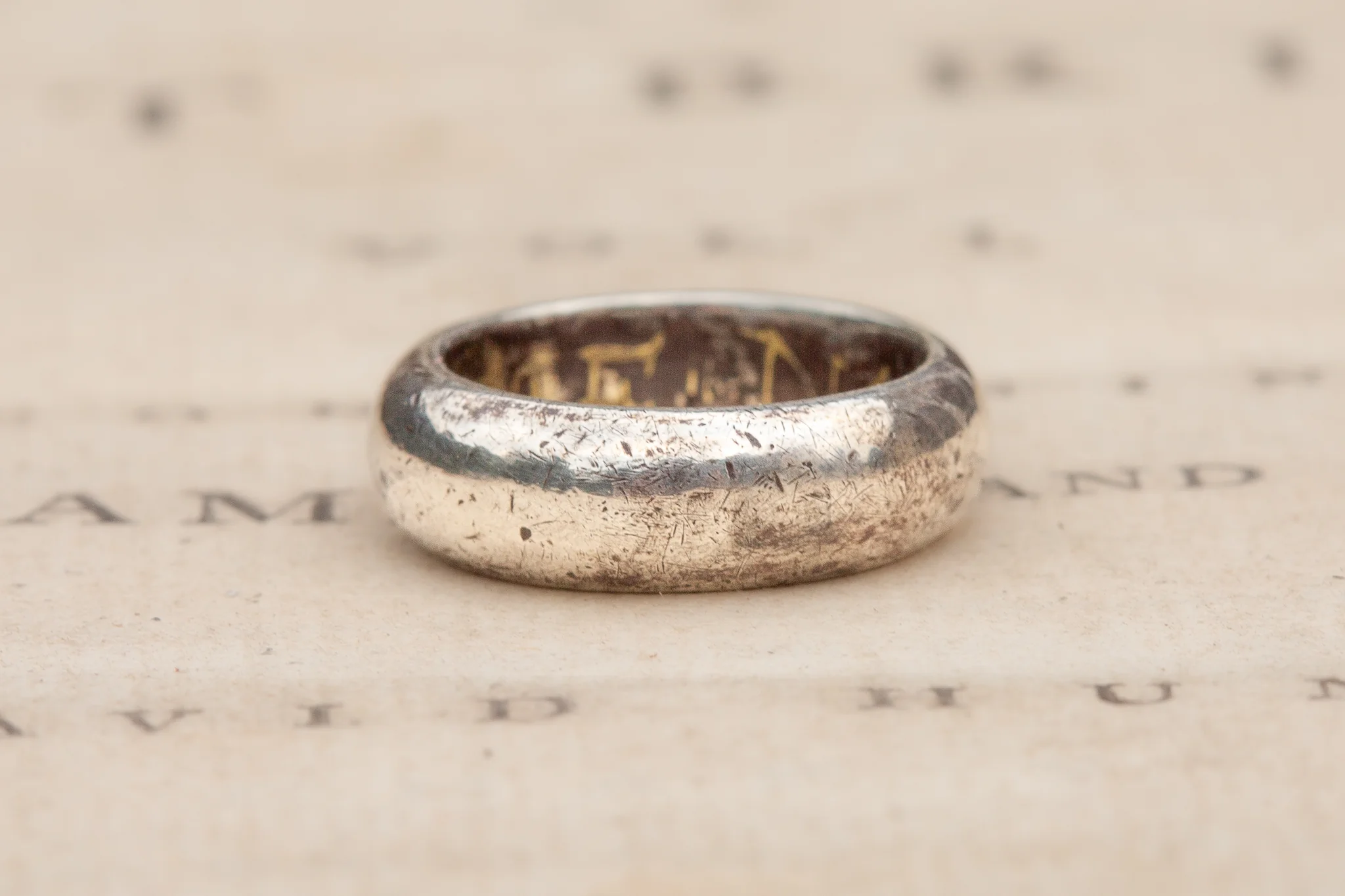
This exquisite silver posy ring, dating from the early 17th century (c.1600), carries a beautifully aged patina that speaks to its history.
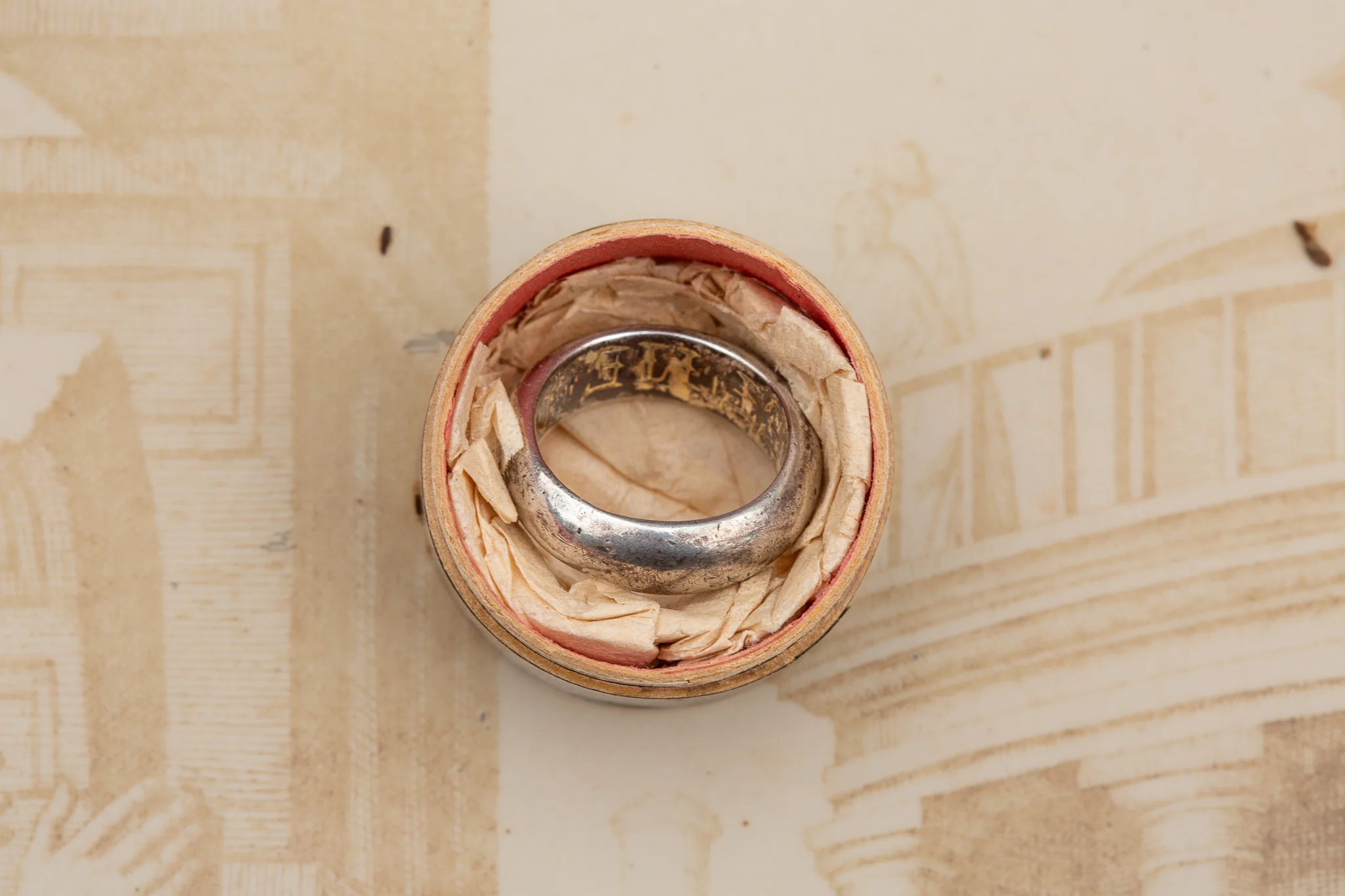
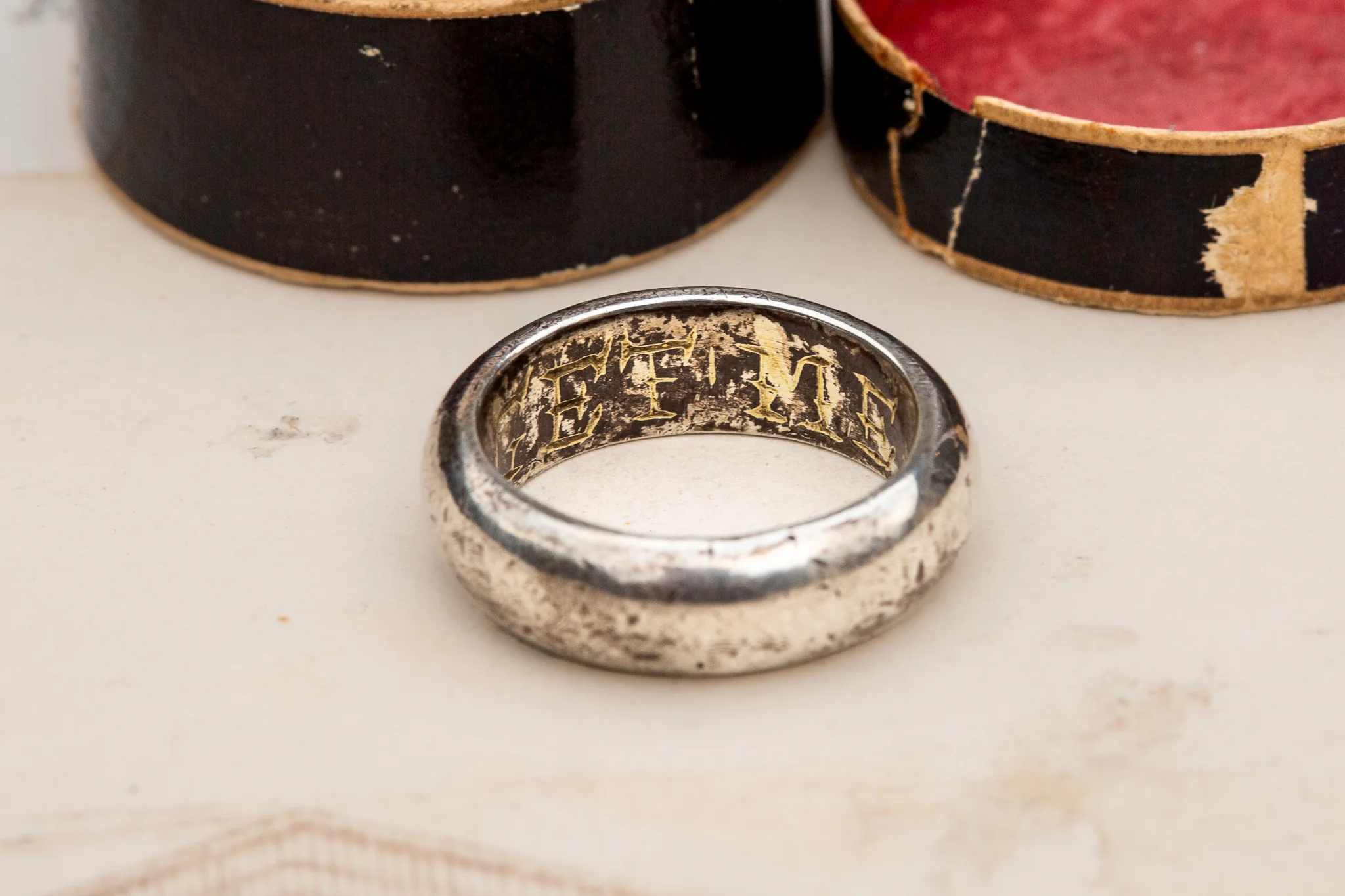
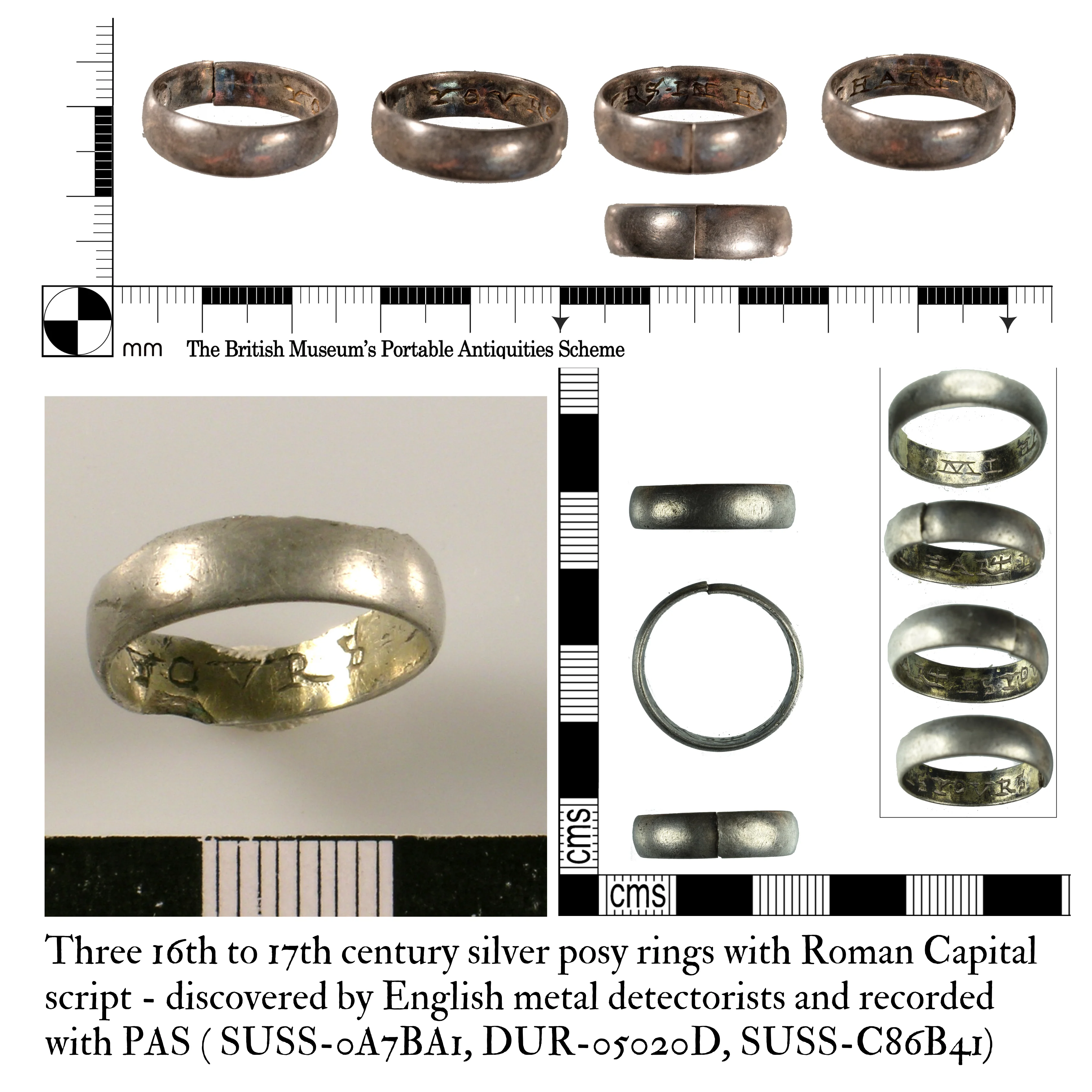
Inside the ring, a secret message is engraved, known only to the giver and wearer of the ring. Carved in Roman capitals it reads "FORGET ME NOT”, a popular phrase of enduring affection often found on these rings given as tokens of love and remembrance.
Posy rings, named from the French "poésy" for poetic inscription, were popular from the medieval period onward and often served as symbols of love, loyalty, or devotion. These rings bore private messages on the inside of the band, intended to be worn close to the skin as a constant reminder of the giver’s sentiments.
The band’s inscription is engraved in Roman capital letters, a style that became popular in English posy rings from the mid-16th century, as noted by Oman (1974, p41), and continued until the mid-17th century. The bold, script and the plain exterior reflect the understated elegance preferred during the period. Originally gilded, the ring’s gold finish has worn with time, especially on the outer surface, revealing the patina of age that attests to its centuries of history.
Measuring 6mm wide and weighing a substantial 8.46 grams, this posy ring has a strong, solid feel. It is a UK size M (US size 6.25) and shows evidence of a historic resizing, resulting in a slight truncation of the “F” in “FORGET ME NOT.” Similar examples of such rings are preserved in museum collections and can also be found on the Portable Antiquities Scheme (PAS) database. The rings in PAS were found by metal detectorists across the UK, they have been analysed by the British Museum and subsequently recorded as ‘Treasure’ on the database (see accession number SUSS-C86B41 for a similar example).
This beautifully preserved example of early English posy rings, is a tangible link to a time when love was often expressed through intimate, personal inscriptions.
Original: $1,675.08
-70%$1,675.08
$502.52Product Information
Product Information
Shipping & Returns
Shipping & Returns
Description
This exquisite silver posy ring, dating from the early 17th century (c.1600), carries a beautifully aged patina that speaks to its history.
Inside the ring, a secret message is engraved, known only to the giver and wearer of the ring. Carved in Roman capitals it reads "FORGET ME NOT”, a popular phrase of enduring affection often found on these rings given as tokens of love and remembrance.
Posy rings, named from the French "poésy" for poetic inscription, were popular from the medieval period onward and often served as symbols of love, loyalty, or devotion. These rings bore private messages on the inside of the band, intended to be worn close to the skin as a constant reminder of the giver’s sentiments.
The band’s inscription is engraved in Roman capital letters, a style that became popular in English posy rings from the mid-16th century, as noted by Oman (1974, p41), and continued until the mid-17th century. The bold, script and the plain exterior reflect the understated elegance preferred during the period. Originally gilded, the ring’s gold finish has worn with time, especially on the outer surface, revealing the patina of age that attests to its centuries of history.
Measuring 6mm wide and weighing a substantial 8.46 grams, this posy ring has a strong, solid feel. It is a UK size M (US size 6.25) and shows evidence of a historic resizing, resulting in a slight truncation of the “F” in “FORGET ME NOT.” Similar examples of such rings are preserved in museum collections and can also be found on the Portable Antiquities Scheme (PAS) database. The rings in PAS were found by metal detectorists across the UK, they have been analysed by the British Museum and subsequently recorded as ‘Treasure’ on the database (see accession number SUSS-C86B41 for a similar example).
This beautifully preserved example of early English posy rings, is a tangible link to a time when love was often expressed through intimate, personal inscriptions.