
Rare Spanish Nun's Ring
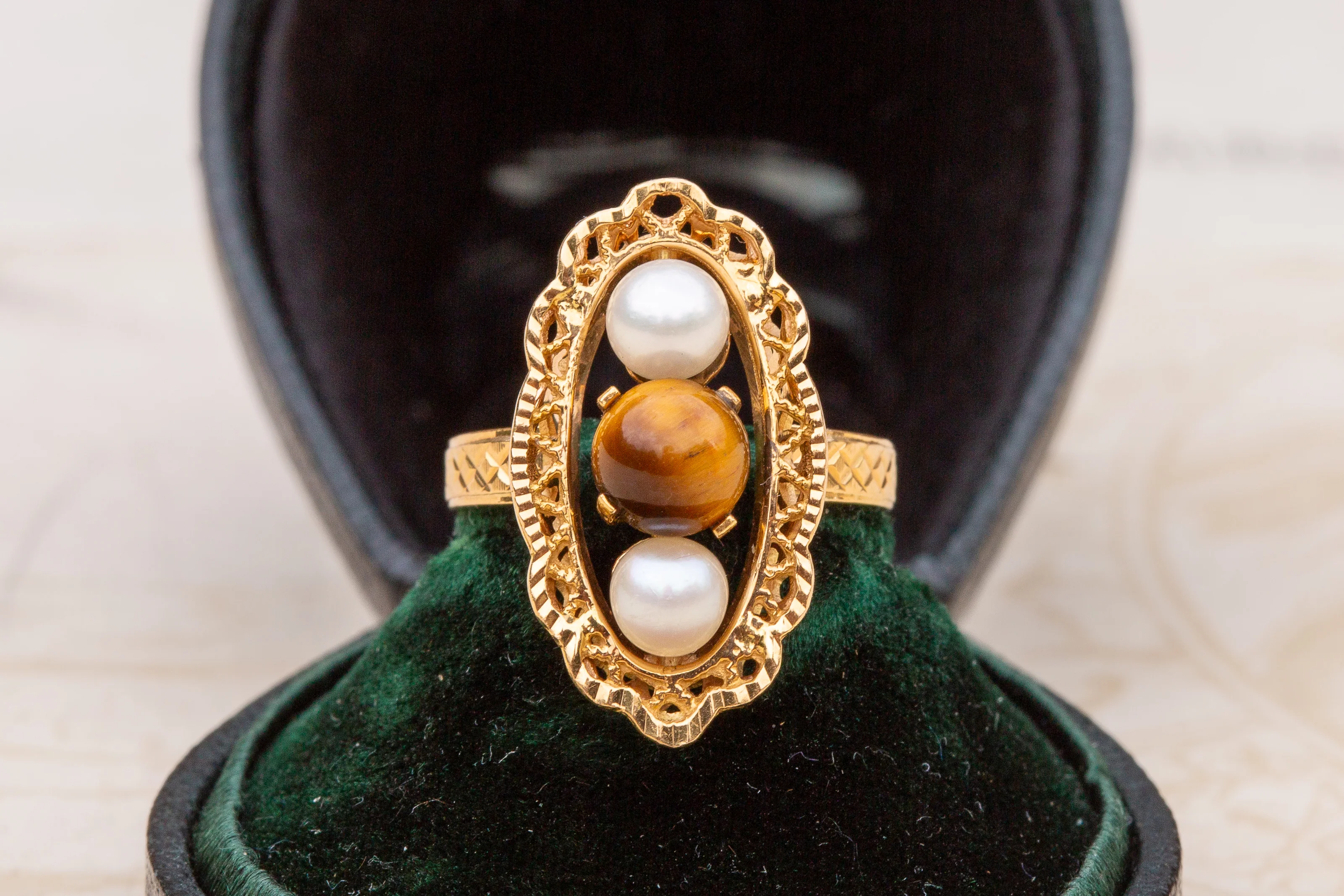
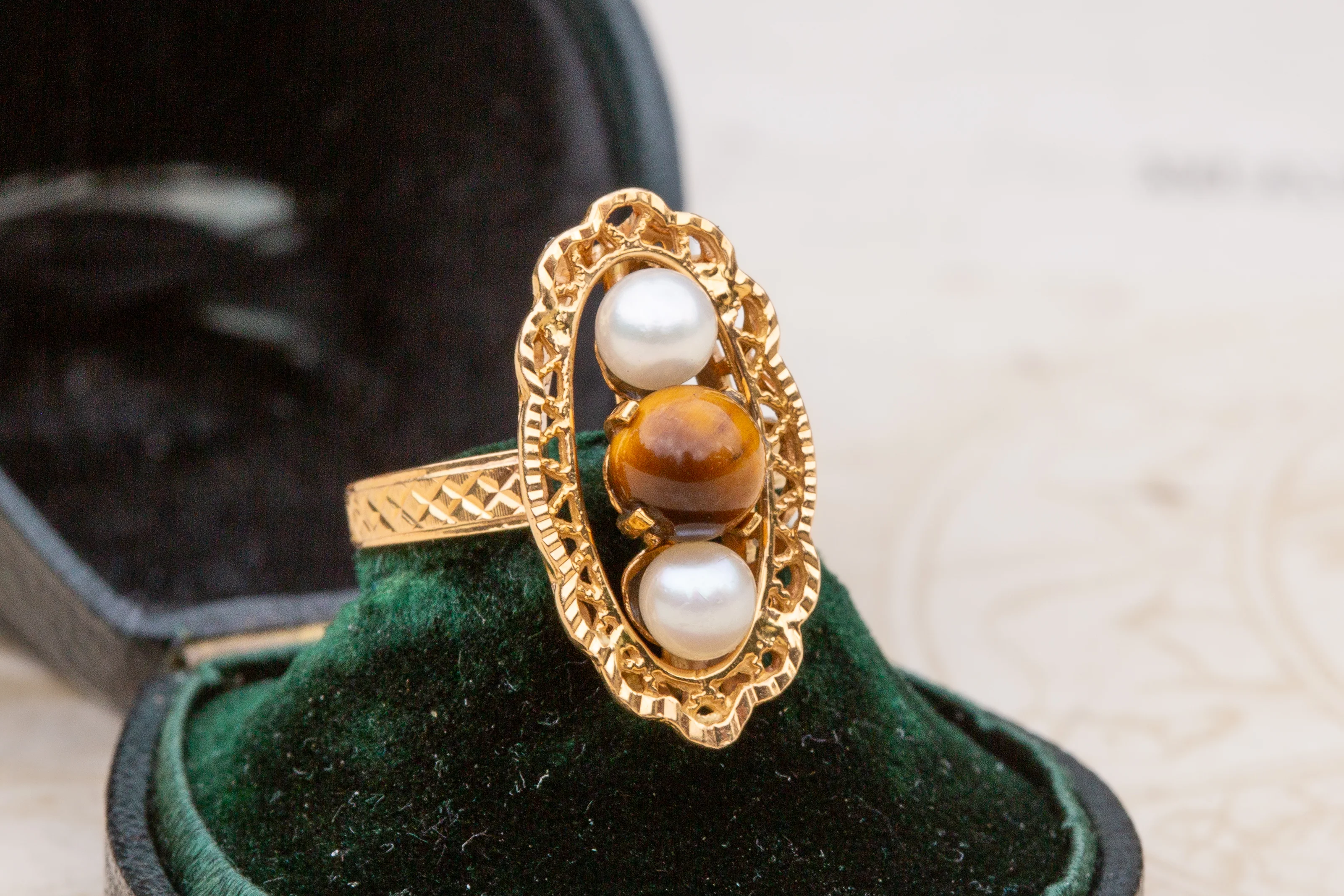
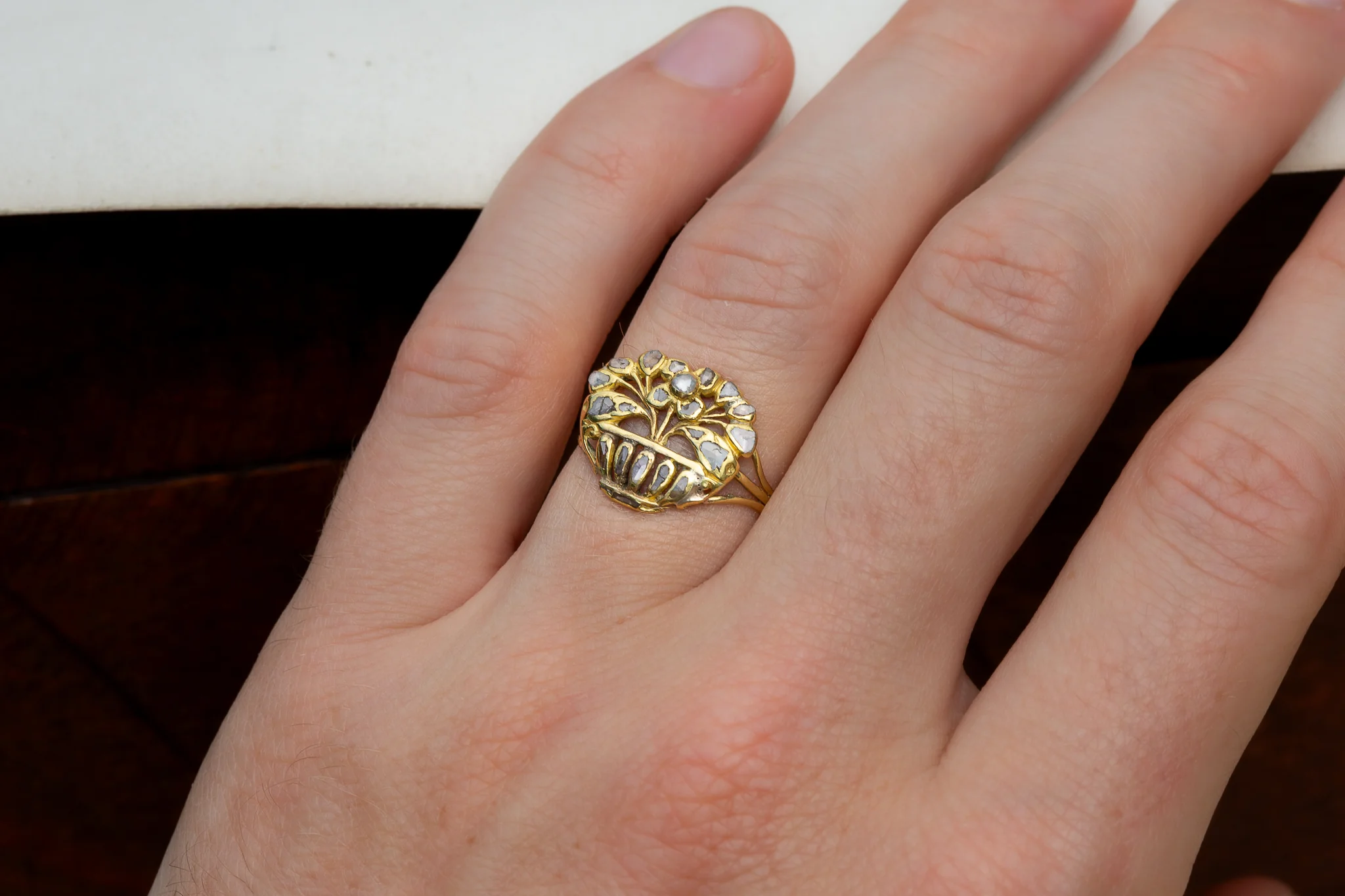
A very scarce early 18th century Spanish gold ‘nun’s ring’, circa 1700. These rings, belonging to wealthy nuns are exceedingly rare, and only found in Spain and Mexico.
Today, when you take your vows to become a nun you renounce all your personal wealth and jewellery - but that wasn’t always the case. In the 18th century, it was also custom for nuns to be given a ring to wear when they take their vows to become a “bride of Christ”. Nuns of a wealthy background, particularly those heading to very affluent religious orders, were often bestowed by their family particularly elaborate gold rings set with diamonds. Some religious orders, like the Conceptionists, had large libraries full of rare books, as well as a wide range of scientific and musical instruments at their disposal, and even servants.
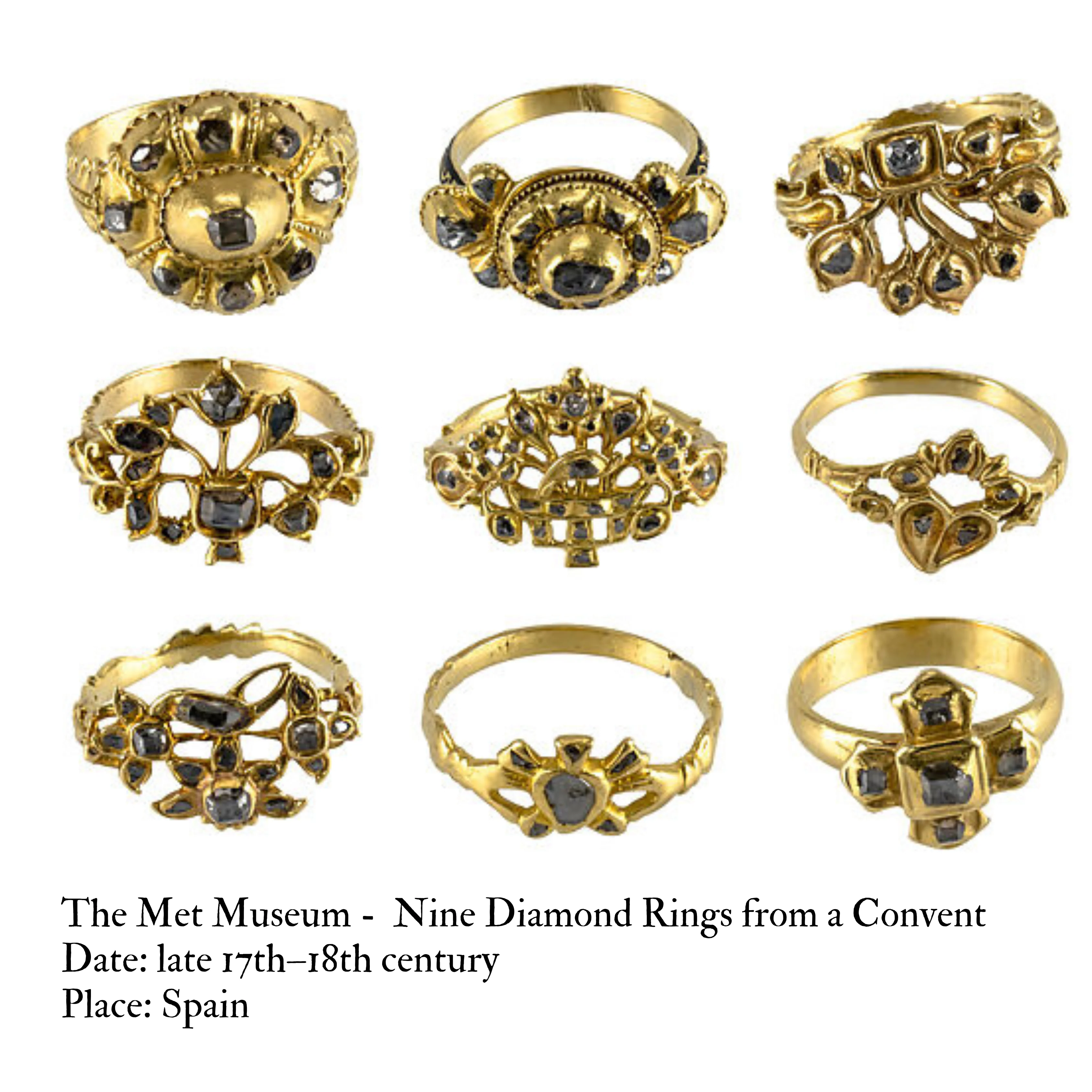
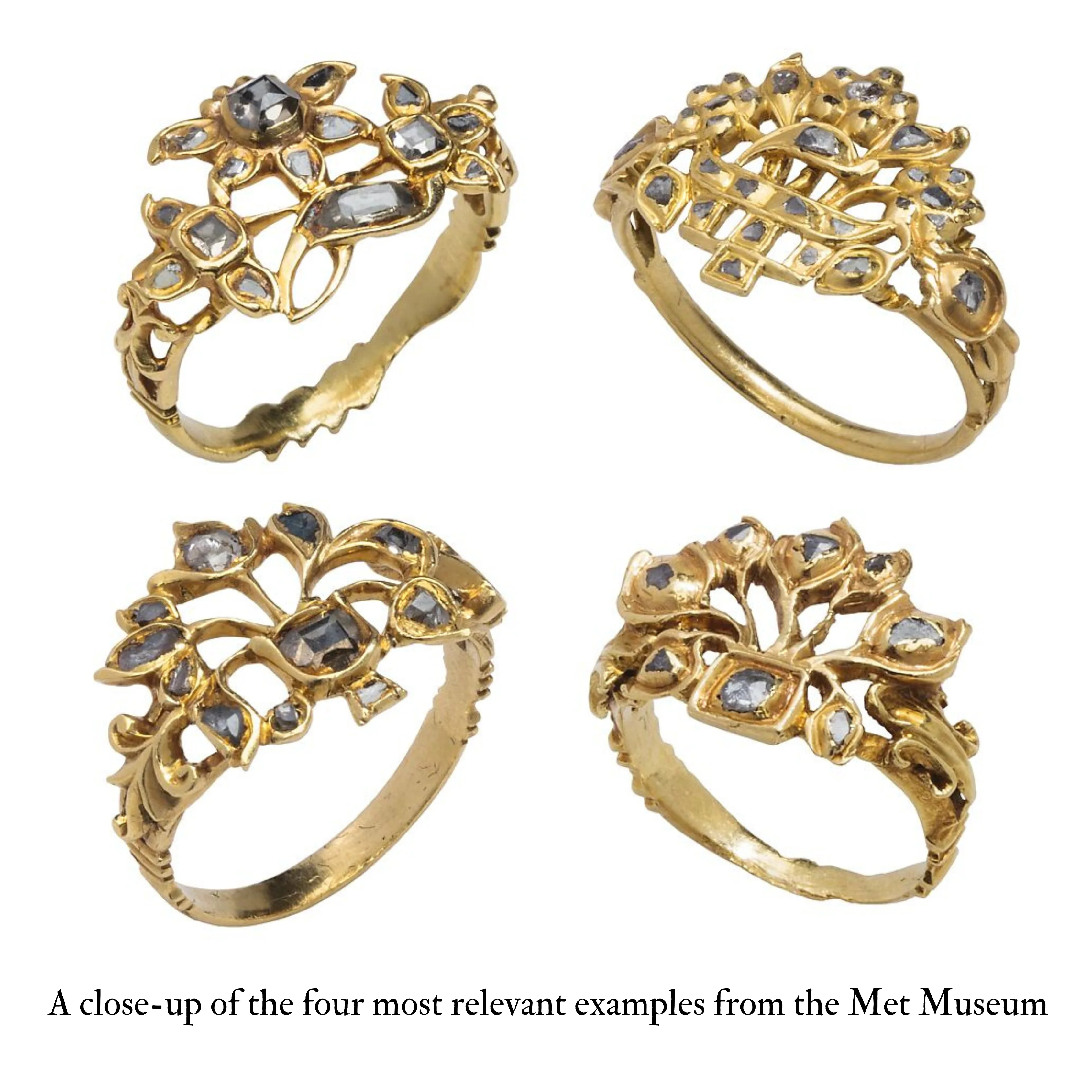
Very little information can be found about the history and traditions of these types of rings, except for portraiture - and a small collection in the MET Museum, which houses a group of 9 diamond ‘nun’s rings’ originating from a single Spanish convent and dating from the years 1650 to 1700 (accession Number: L.2015.72.18a-i).
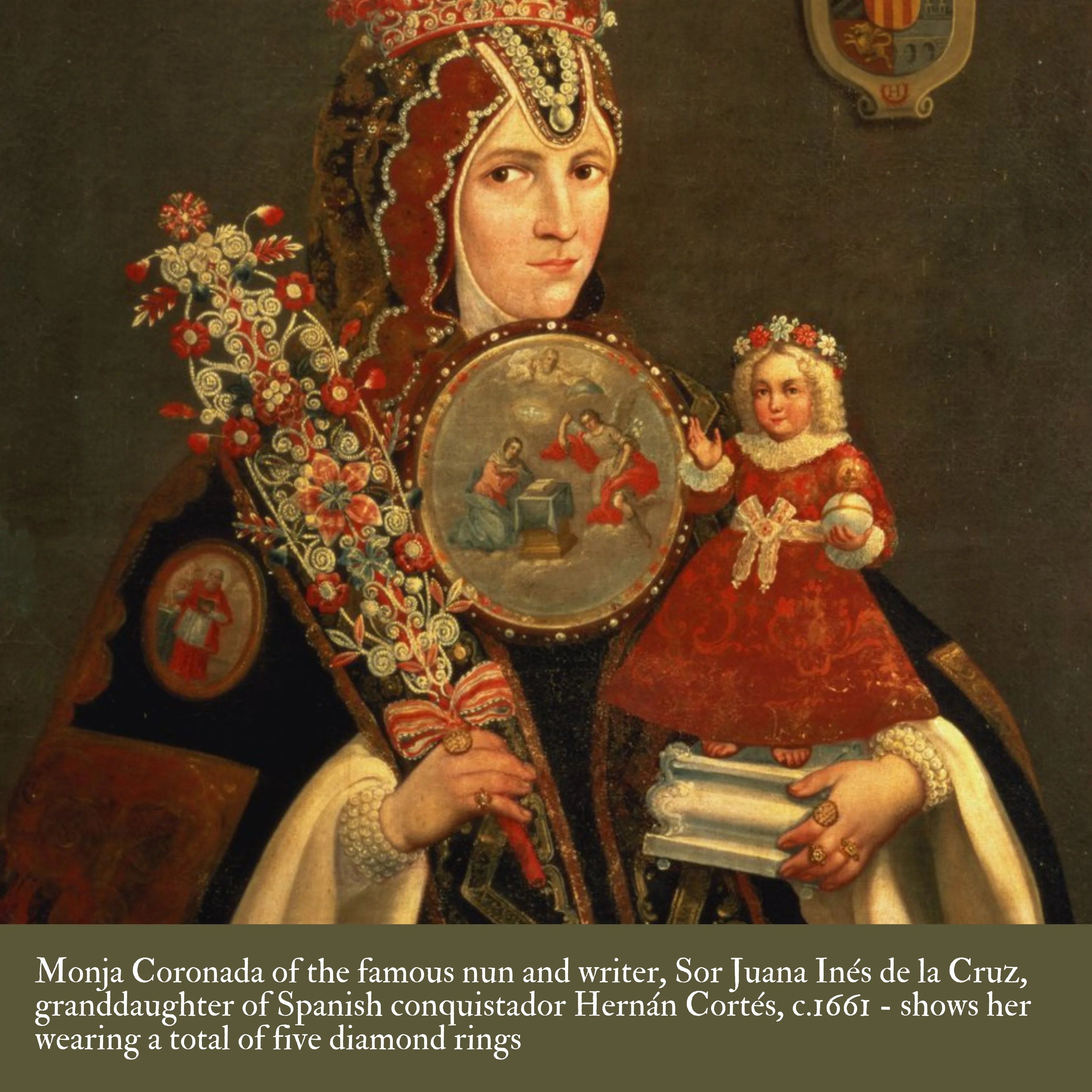
Aside from presenting them with magnificent jewellery, the families of nuns of a wealthy or noble birth also commissioned portraits on the occasion of their final profession (the moment when they took the veil to officially enter the convent as a professed nun). These large portraits, known in Mexico as ‘Monjas Coronadas’ would have been displayed in the home of their parents, where it not only recalled the presence of an absent child, but also served as a visible marker of the family’s piety, wealth, and social prestige. In these portraits, the nuns are adorned with a crown, flowers, pearls and elaborate diamond rings on their fingers (illustrating the colonial pautas and mestizaje influences). Some of the best portraits, for example that of the famous nun ‘Sister Juana Inés de la Cruz’, the Granddaughter of Spanish conquistador Hernán Cortés, from c.1661 - shows her wearing a total of five diamond rings. It is believed that these rings might have also served as a type of dowry when joining to ensure that they would be very well cared for in the convent.
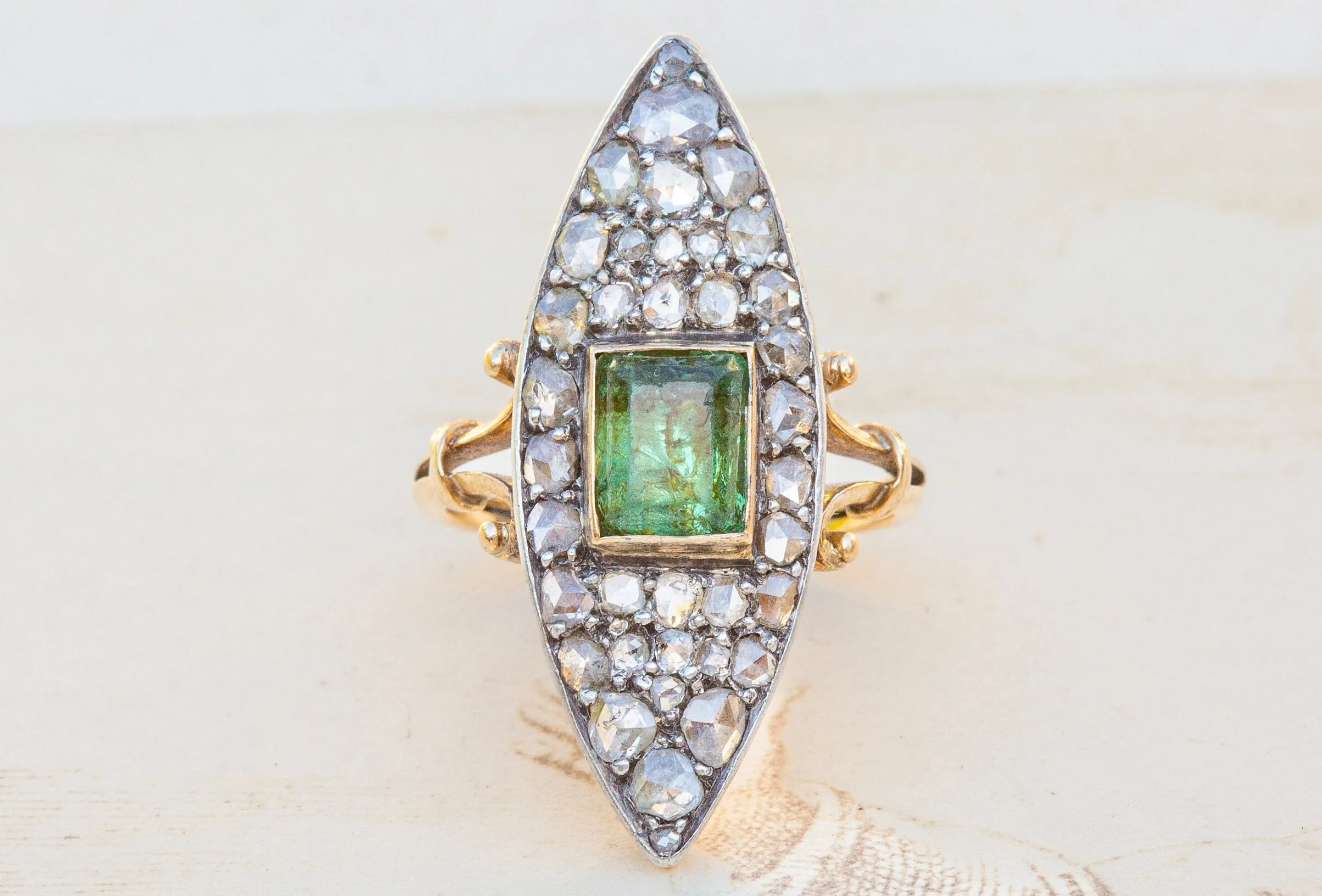
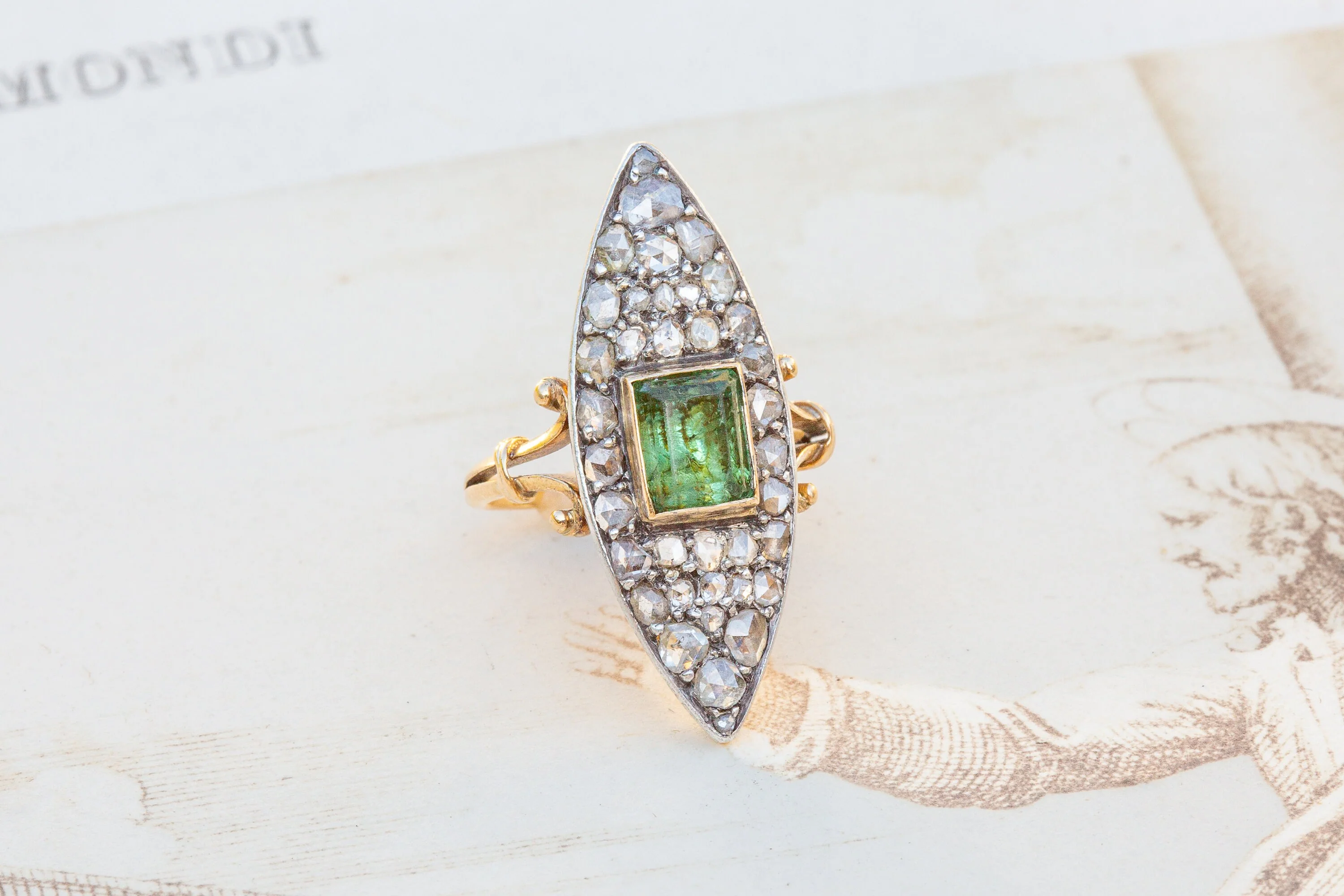
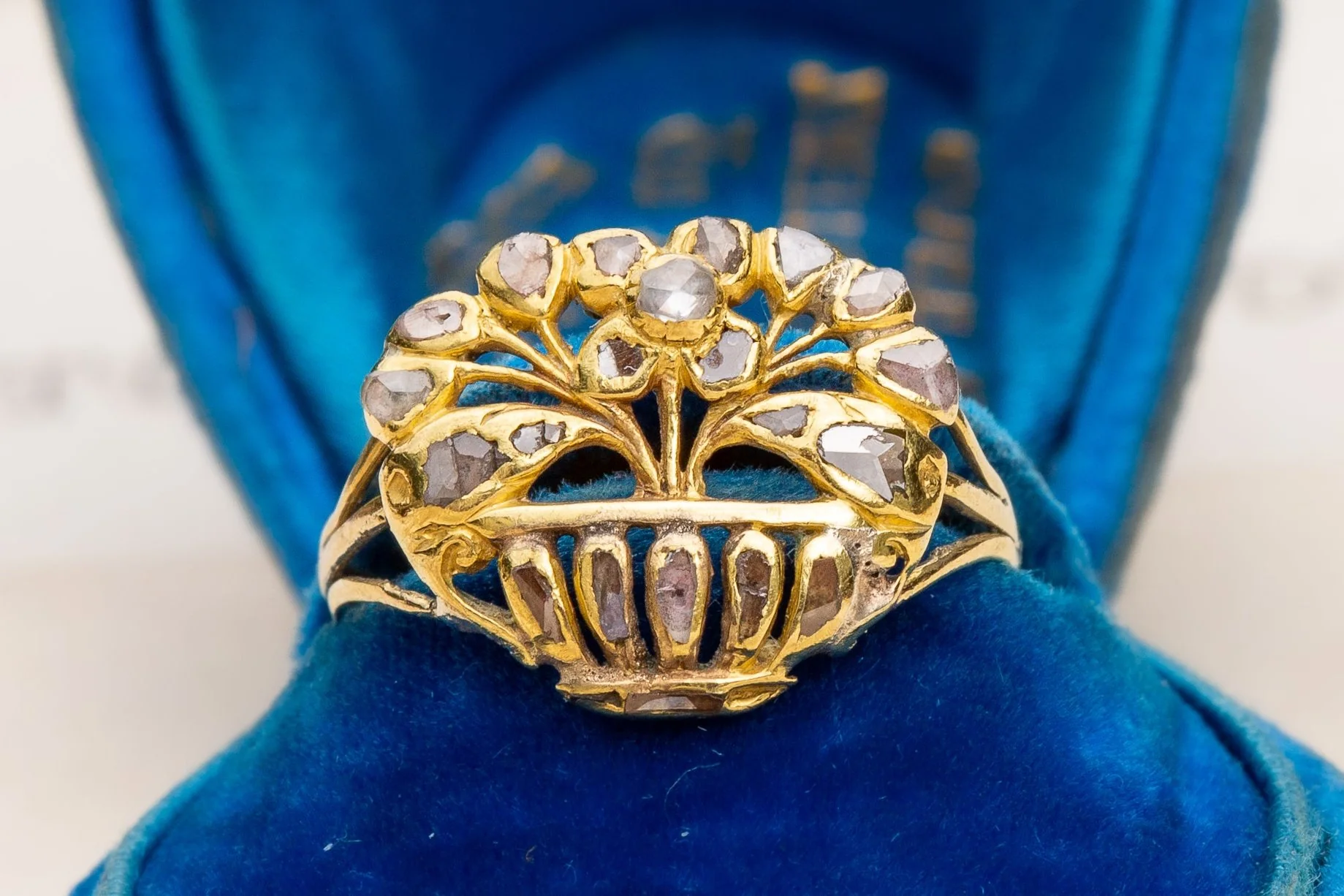
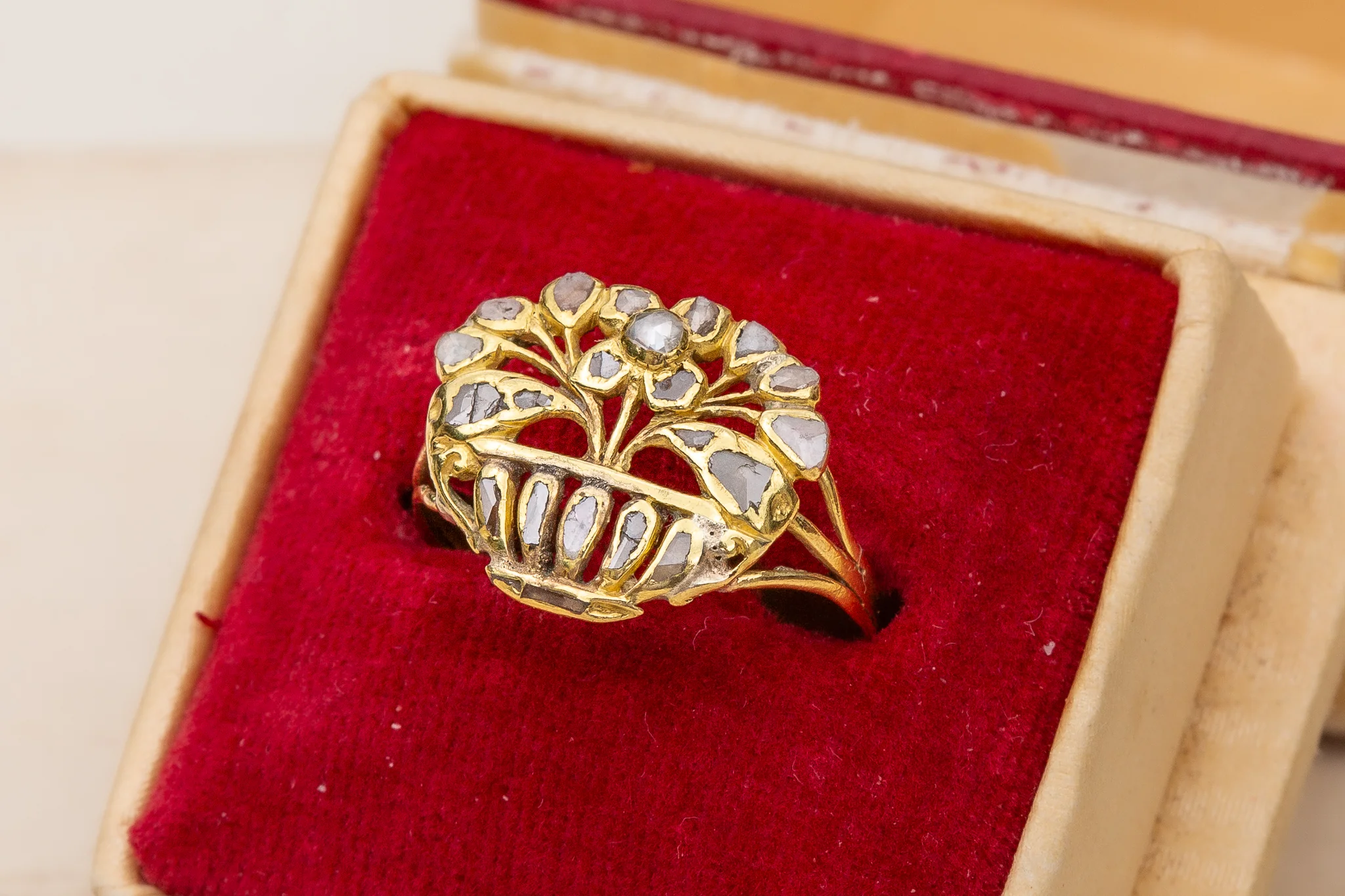
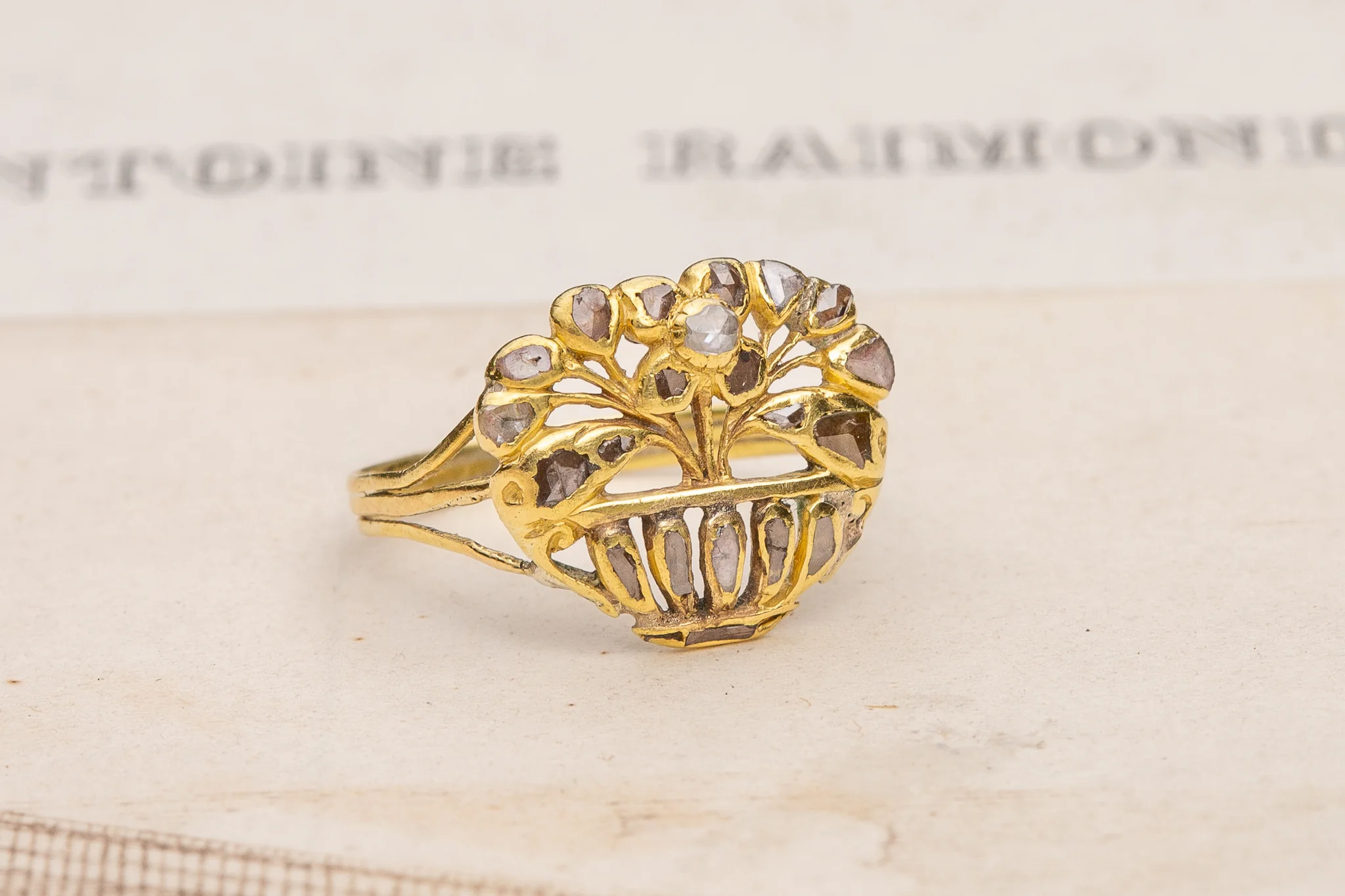
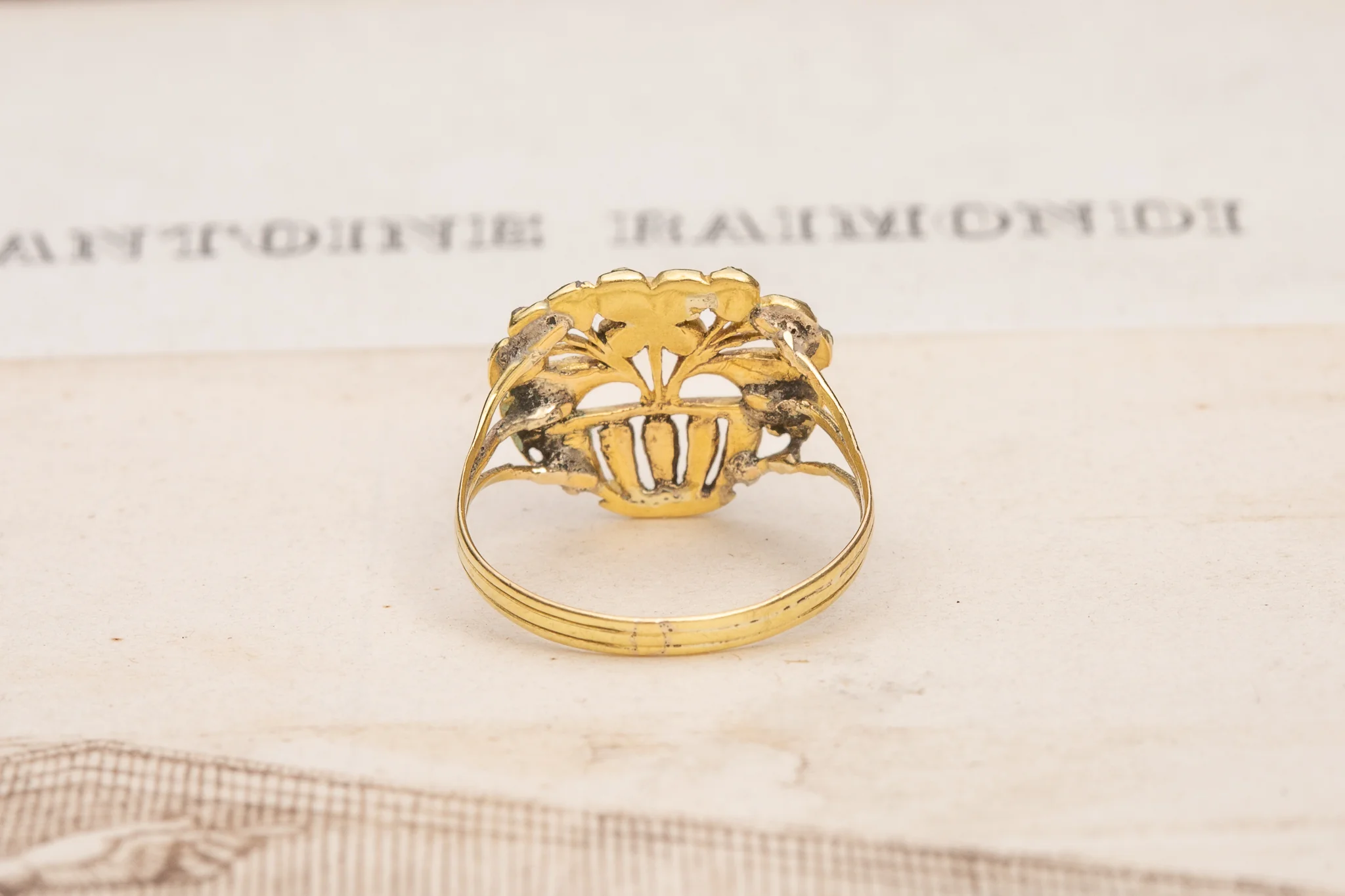
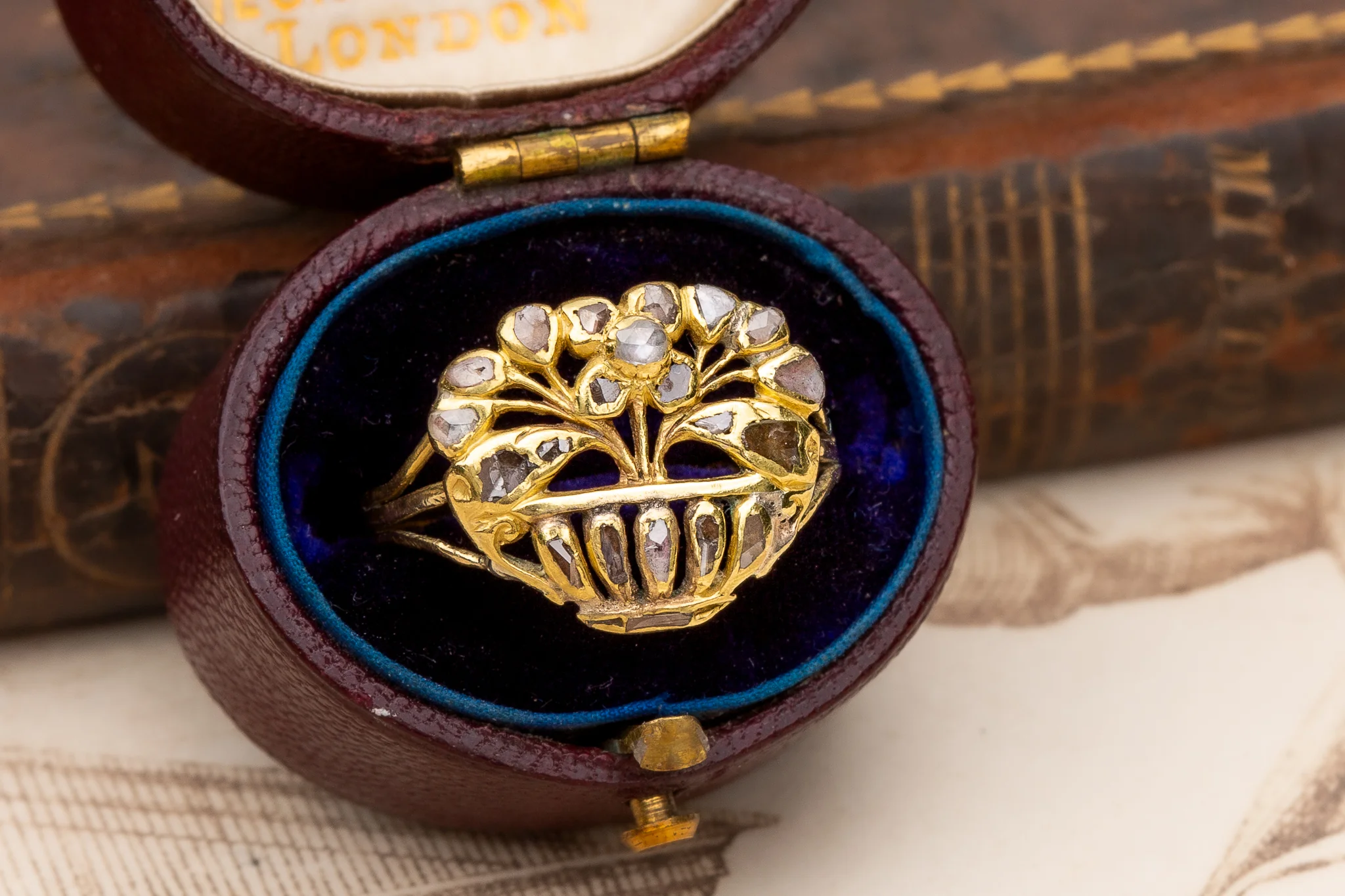
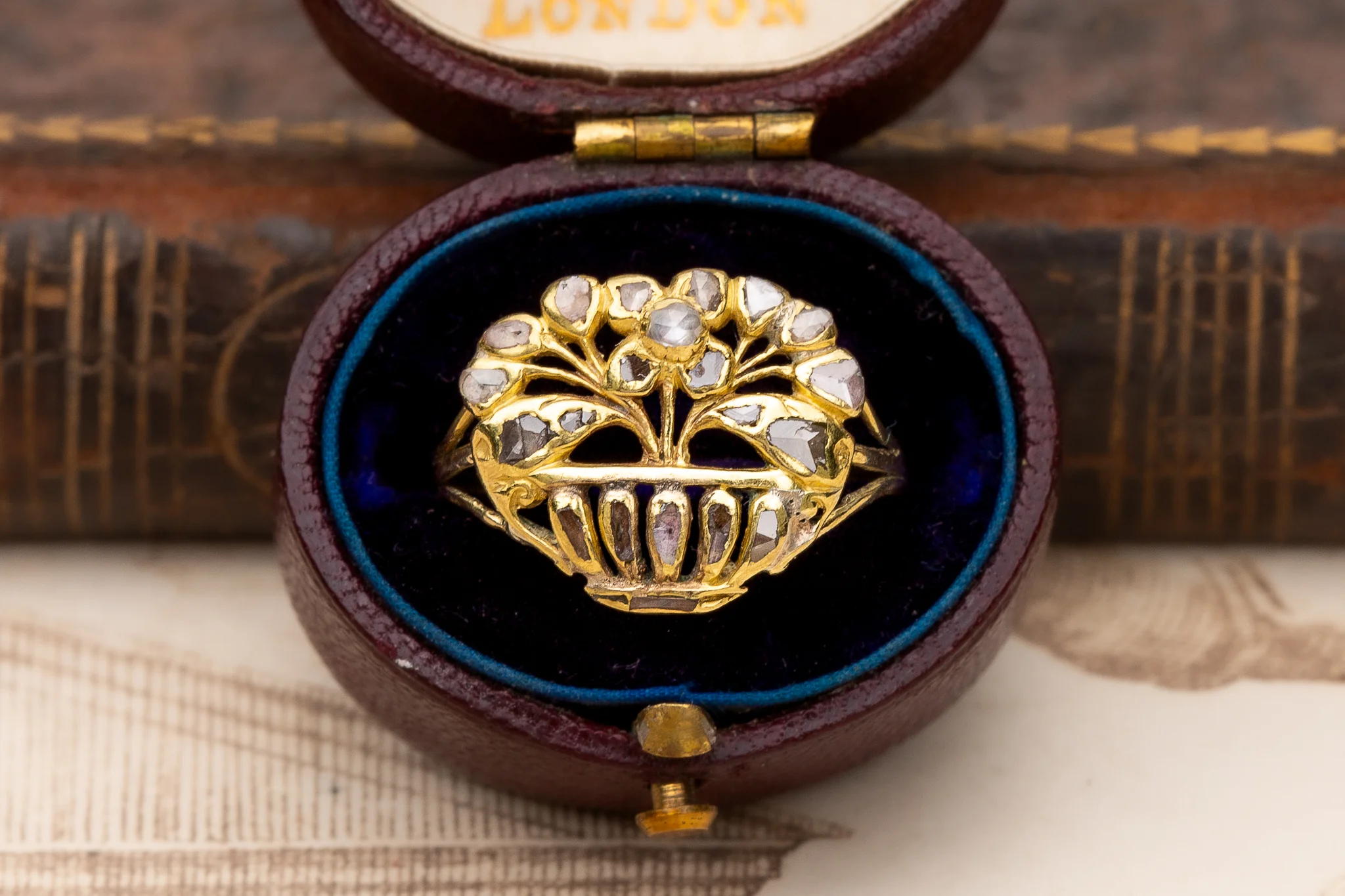
The designs of these rings can vary from floral motifs like this example, to religious imagery, like some of the Sacred Heart and cross rings seen in the MET Museum. This present ring depicts a spray of flowers, symbolising the Virgin Mary, her modesty and innocence. It is also a very early example of (or more likely, precursor to) the ‘giardinetti’ ring (meaning ‘little garden’). Rings of this type were well in fashion throughout Europe by the mid-18th century and were charming love tokens exchanged between couples or friends. These floral jewels were inspired by the newfound fascination in Europe with botany and horticulture, that began a century earlier which later spread to design and jewellery. Unlike most floral giardinetti rings that came after it, this unusual, early example presents a symmetrical arrangement, with all the diamonds being set in gold, rather than silver - a feature only found in the earliest examples and unique to Iberian jewels.
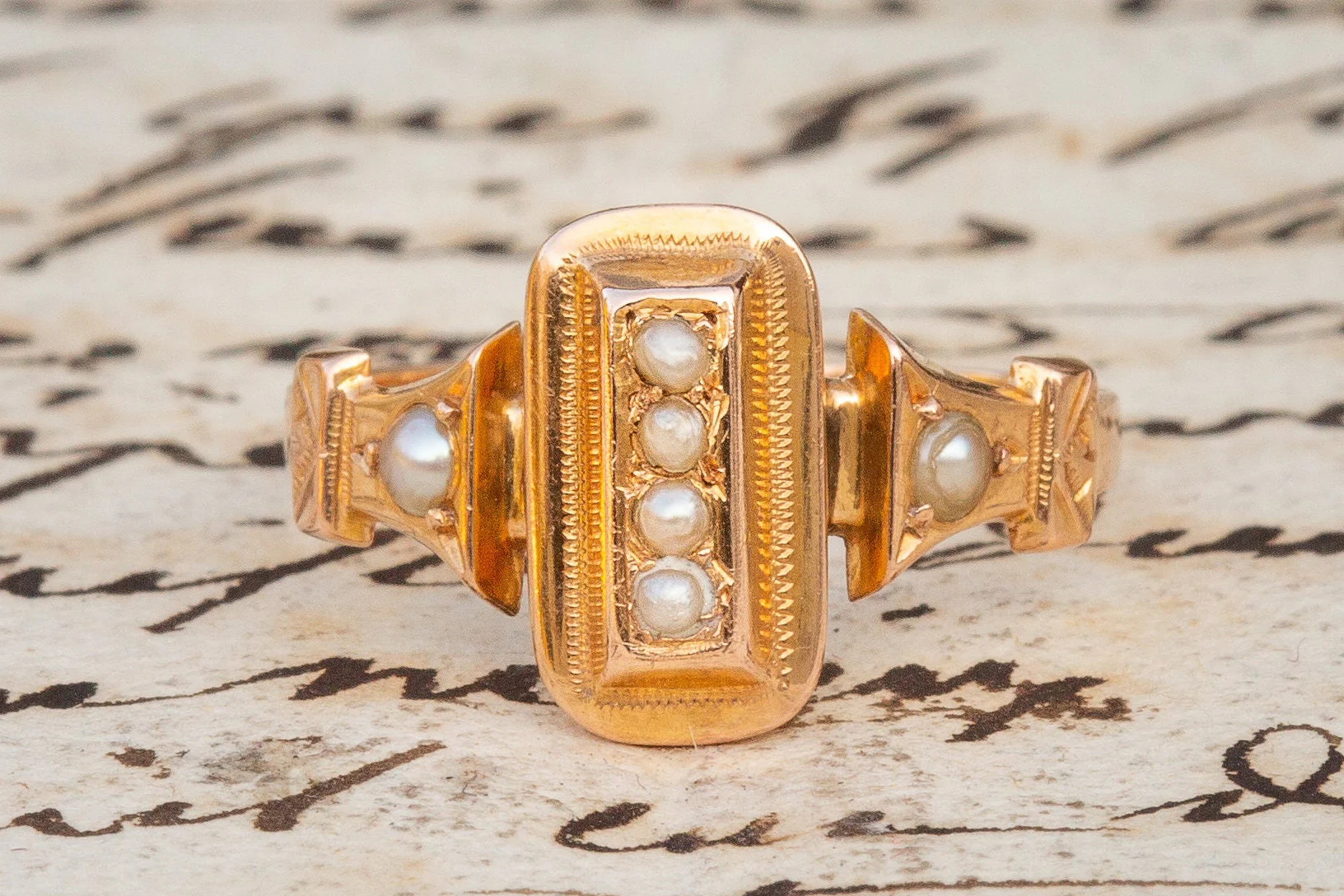
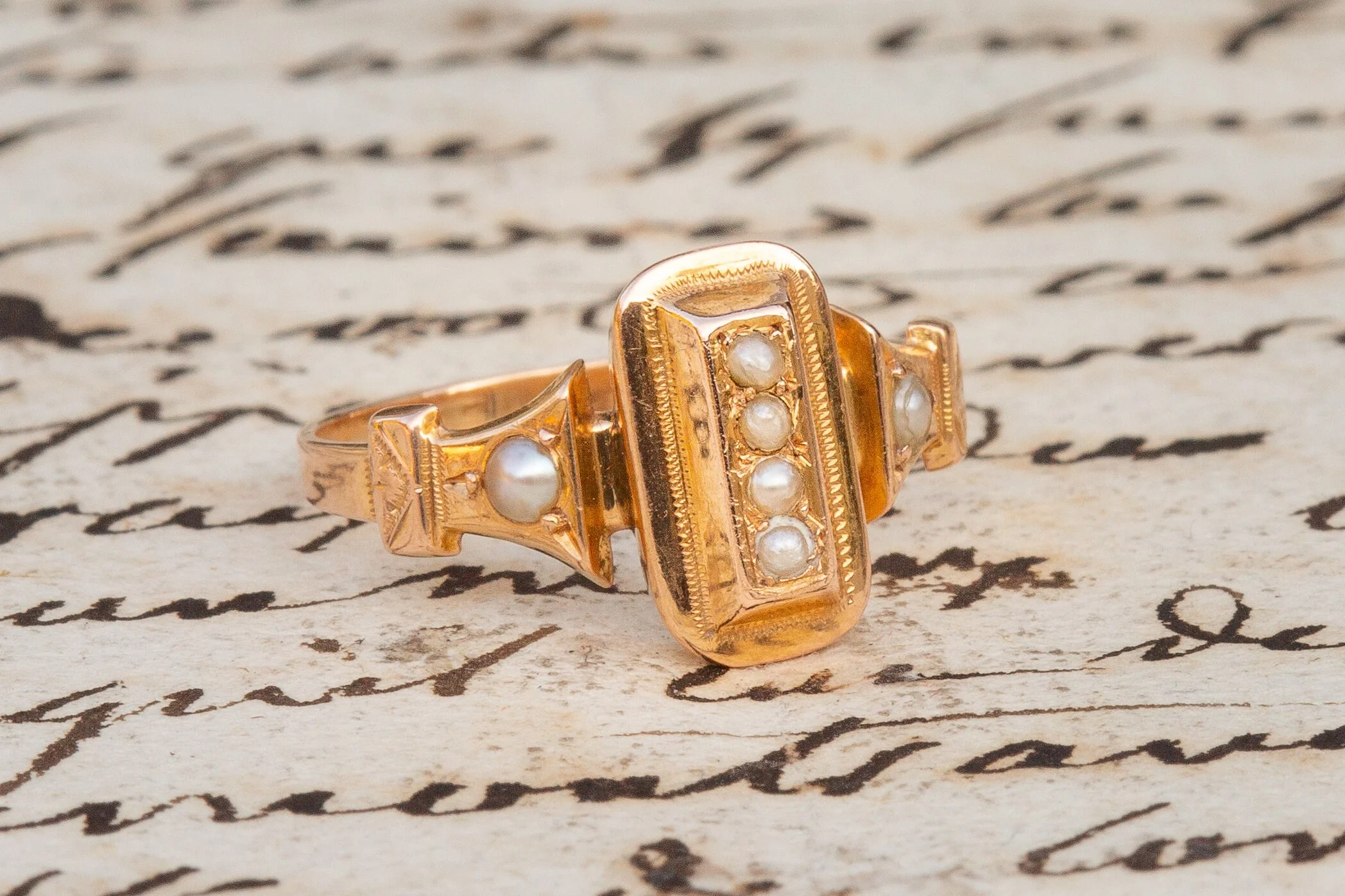
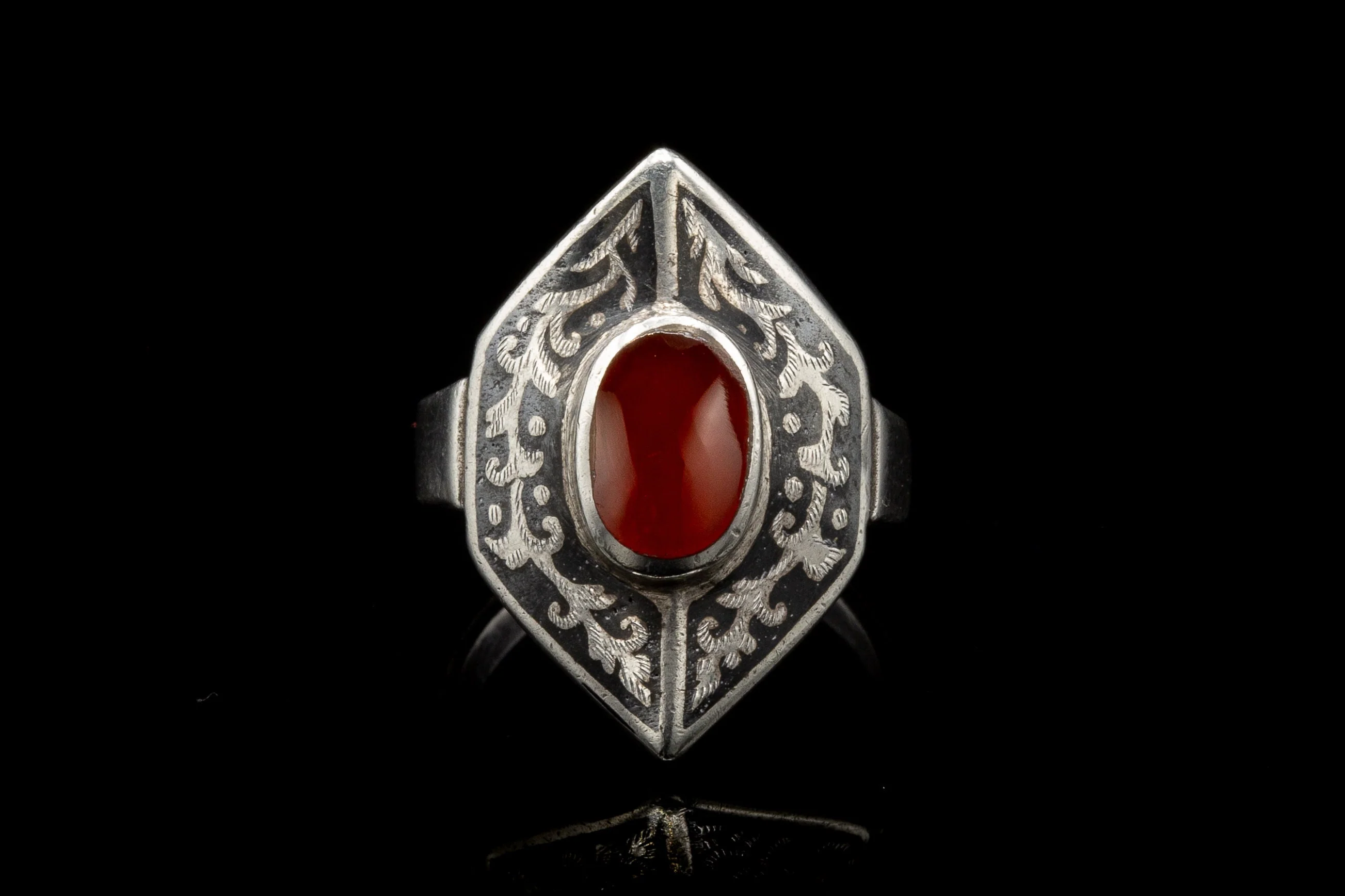
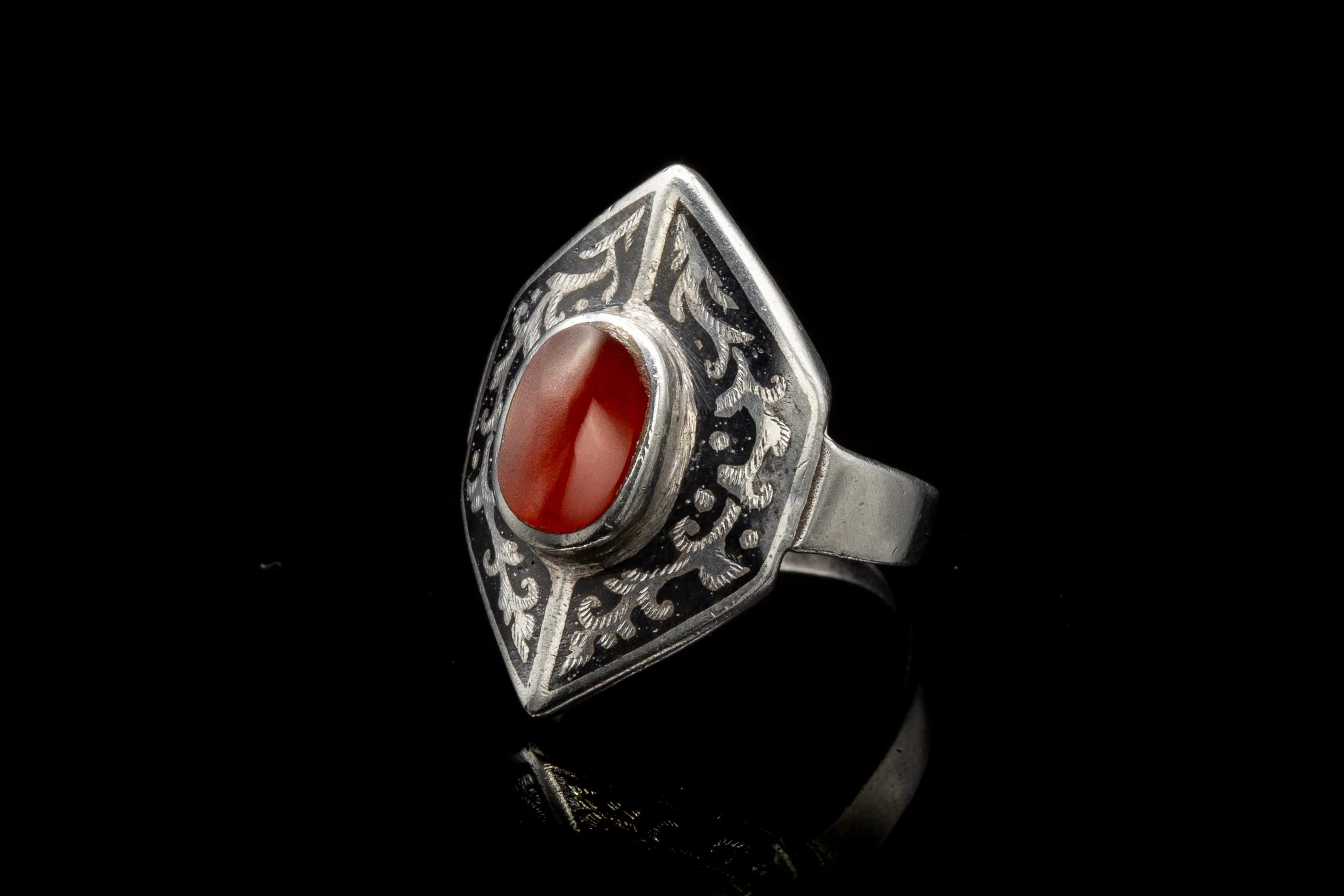
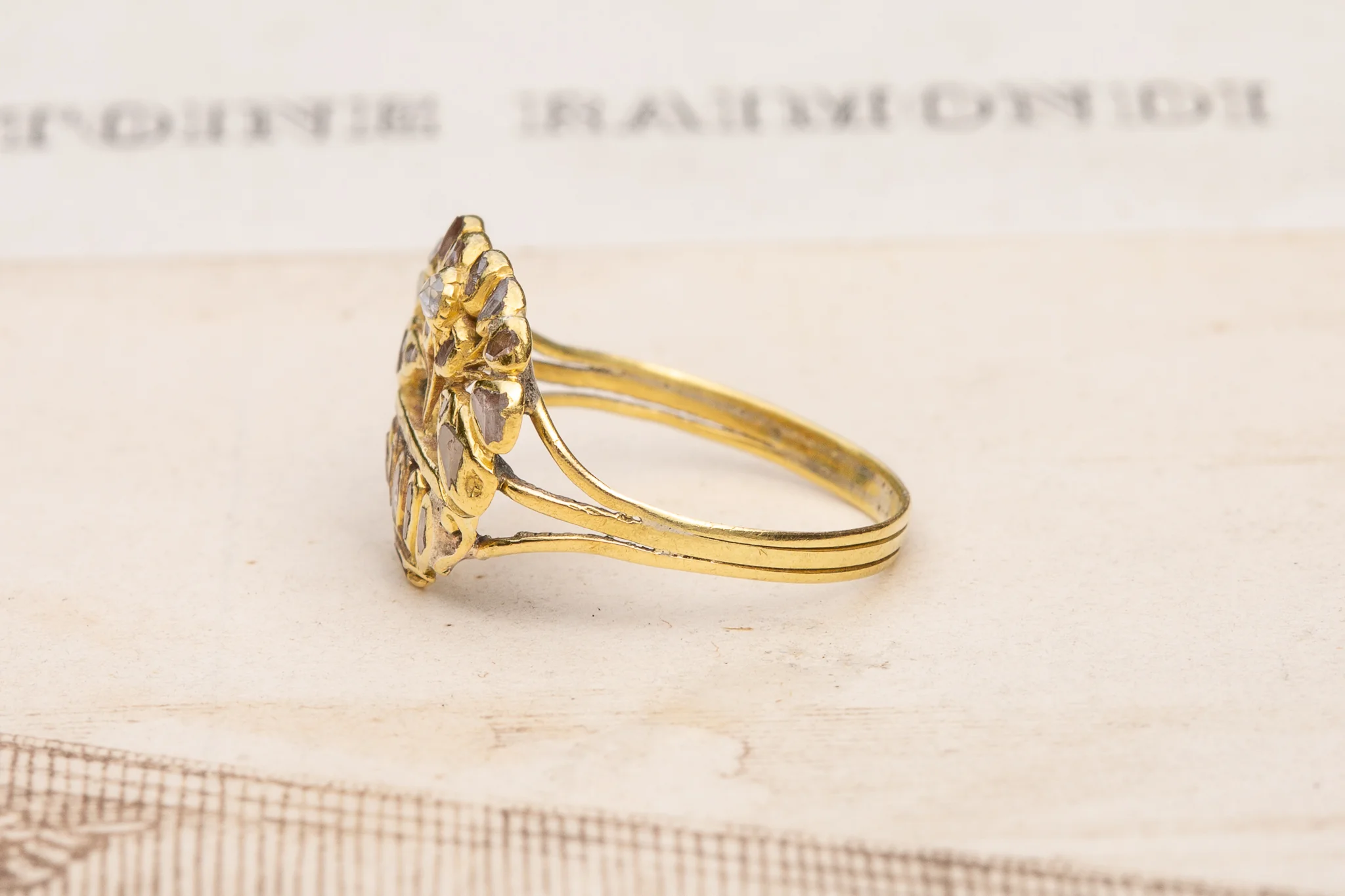
The ring is intricately crafted in high-karat gold, and the bezel attaches to a band with trifurcated shoulders. Despite the gold band being a historic replacement, the ring has survived the past 300 years in great condition. All the diamonds are original and securely set.
UK size O, US size 7.25
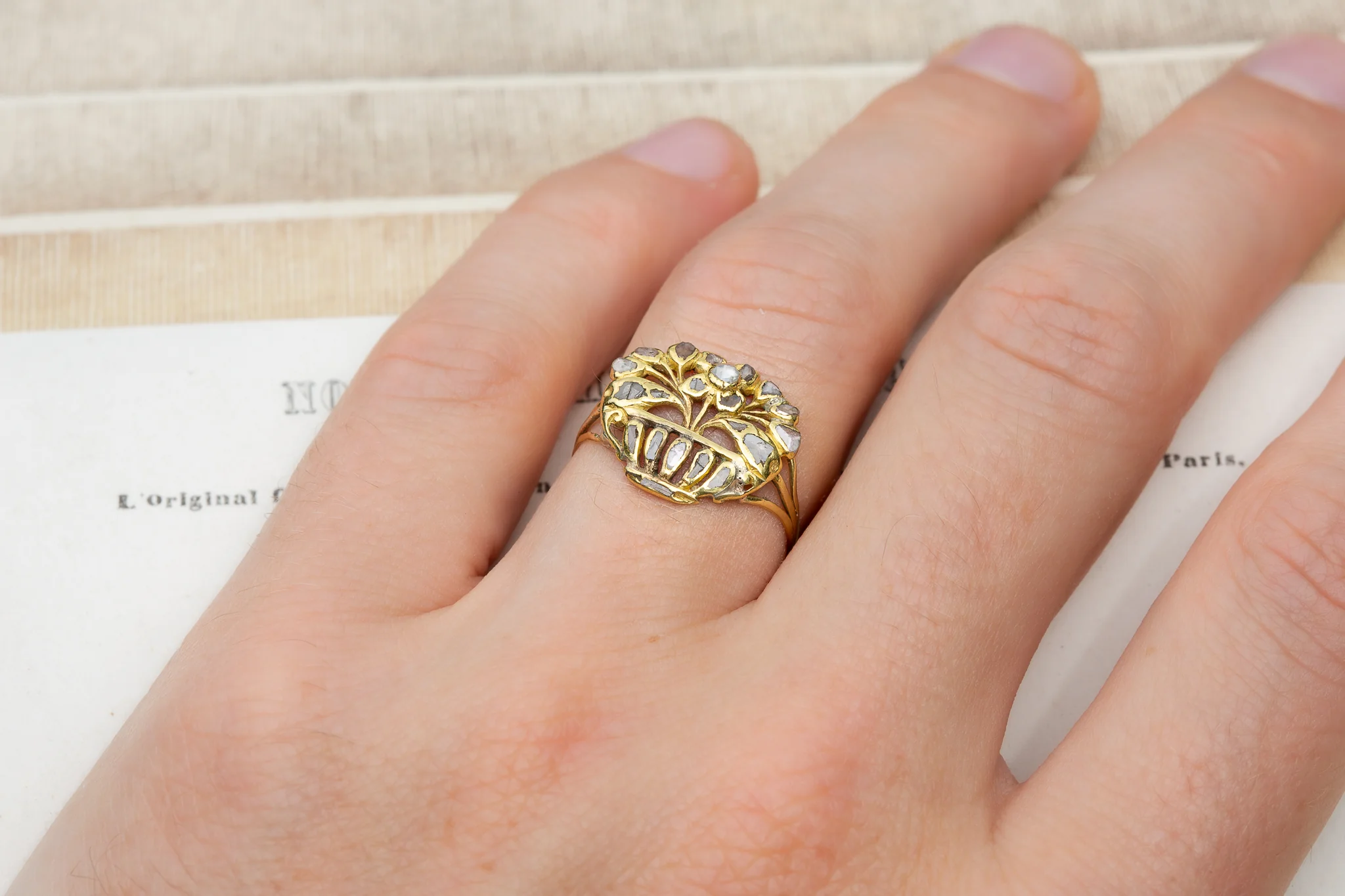
The ring is unmarked but tests as 22K gold. The diamond-set bezel measures 16mm x 13mm, whilst the gold band measures 2mm across.
Original: $10,050.50
-70%$10,050.50
$3,015.15Product Information
Product Information
Shipping & Returns
Shipping & Returns
Description
A very scarce early 18th century Spanish gold ‘nun’s ring’, circa 1700. These rings, belonging to wealthy nuns are exceedingly rare, and only found in Spain and Mexico.
Today, when you take your vows to become a nun you renounce all your personal wealth and jewellery - but that wasn’t always the case. In the 18th century, it was also custom for nuns to be given a ring to wear when they take their vows to become a “bride of Christ”. Nuns of a wealthy background, particularly those heading to very affluent religious orders, were often bestowed by their family particularly elaborate gold rings set with diamonds. Some religious orders, like the Conceptionists, had large libraries full of rare books, as well as a wide range of scientific and musical instruments at their disposal, and even servants.
Very little information can be found about the history and traditions of these types of rings, except for portraiture - and a small collection in the MET Museum, which houses a group of 9 diamond ‘nun’s rings’ originating from a single Spanish convent and dating from the years 1650 to 1700 (accession Number: L.2015.72.18a-i).
Aside from presenting them with magnificent jewellery, the families of nuns of a wealthy or noble birth also commissioned portraits on the occasion of their final profession (the moment when they took the veil to officially enter the convent as a professed nun). These large portraits, known in Mexico as ‘Monjas Coronadas’ would have been displayed in the home of their parents, where it not only recalled the presence of an absent child, but also served as a visible marker of the family’s piety, wealth, and social prestige. In these portraits, the nuns are adorned with a crown, flowers, pearls and elaborate diamond rings on their fingers (illustrating the colonial pautas and mestizaje influences). Some of the best portraits, for example that of the famous nun ‘Sister Juana Inés de la Cruz’, the Granddaughter of Spanish conquistador Hernán Cortés, from c.1661 - shows her wearing a total of five diamond rings. It is believed that these rings might have also served as a type of dowry when joining to ensure that they would be very well cared for in the convent.
The designs of these rings can vary from floral motifs like this example, to religious imagery, like some of the Sacred Heart and cross rings seen in the MET Museum. This present ring depicts a spray of flowers, symbolising the Virgin Mary, her modesty and innocence. It is also a very early example of (or more likely, precursor to) the ‘giardinetti’ ring (meaning ‘little garden’). Rings of this type were well in fashion throughout Europe by the mid-18th century and were charming love tokens exchanged between couples or friends. These floral jewels were inspired by the newfound fascination in Europe with botany and horticulture, that began a century earlier which later spread to design and jewellery. Unlike most floral giardinetti rings that came after it, this unusual, early example presents a symmetrical arrangement, with all the diamonds being set in gold, rather than silver - a feature only found in the earliest examples and unique to Iberian jewels.
The ring is intricately crafted in high-karat gold, and the bezel attaches to a band with trifurcated shoulders. Despite the gold band being a historic replacement, the ring has survived the past 300 years in great condition. All the diamonds are original and securely set.
UK size O, US size 7.25
The ring is unmarked but tests as 22K gold. The diamond-set bezel measures 16mm x 13mm, whilst the gold band measures 2mm across.