





Ancient Roman Victoria Intaglio
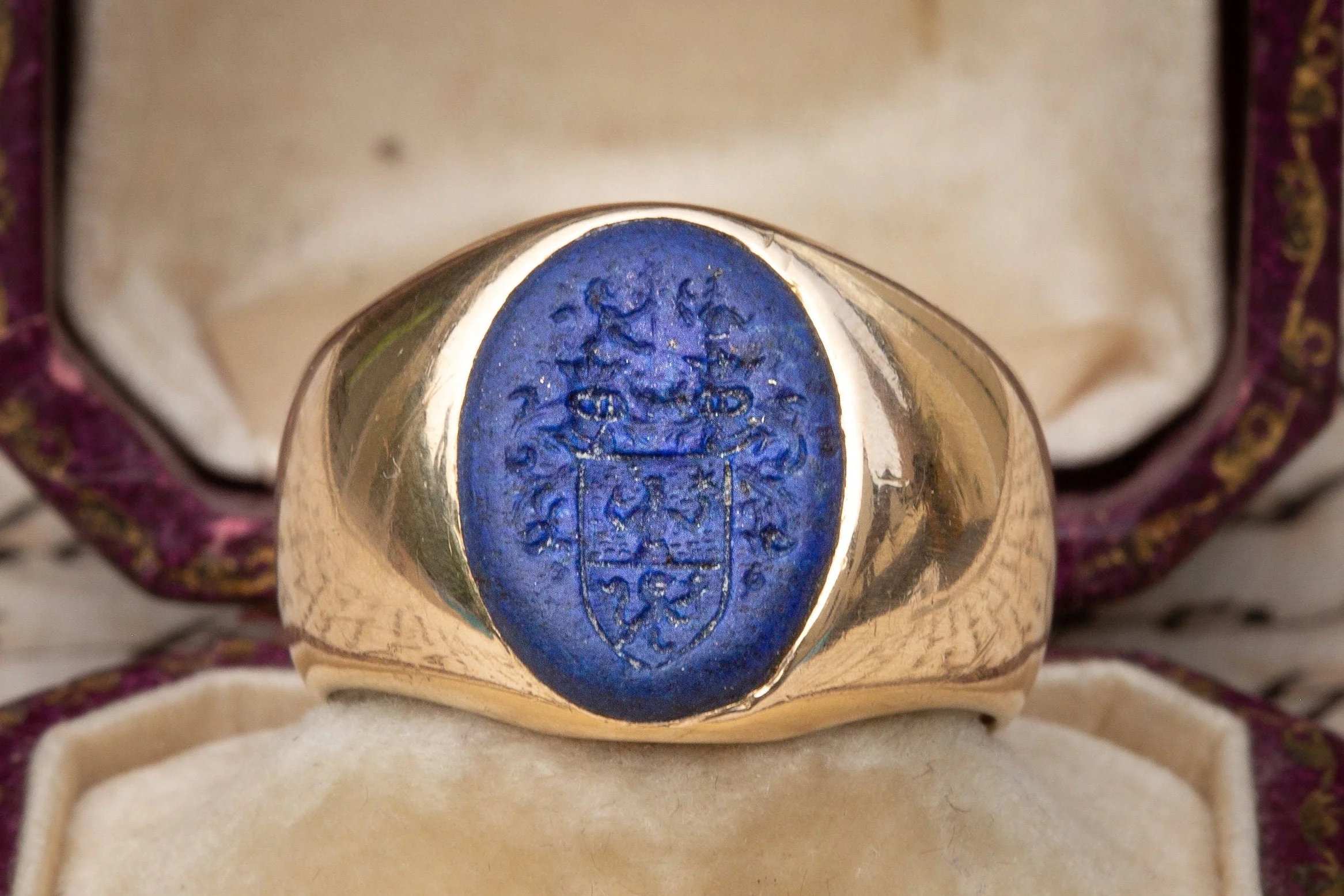
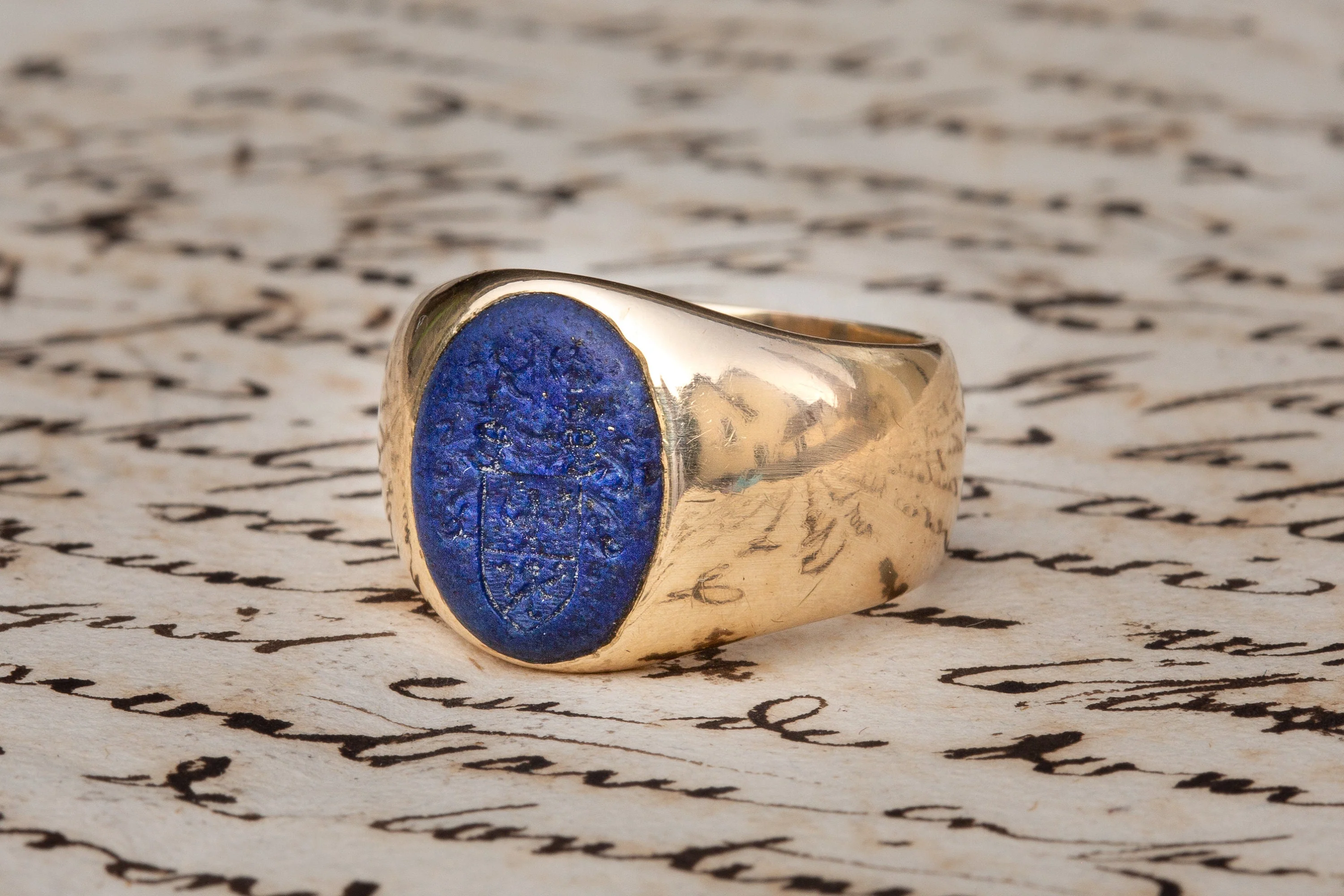
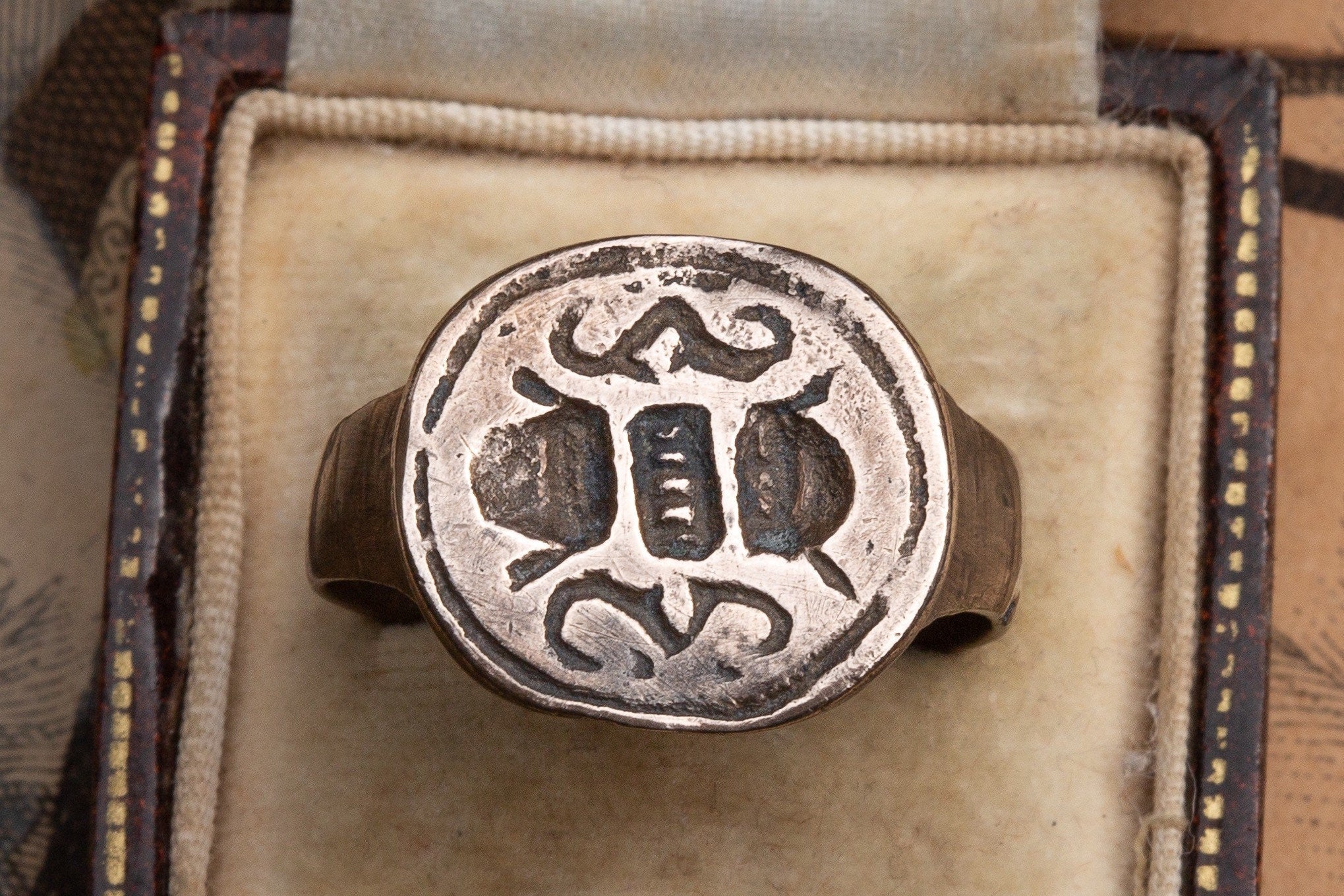
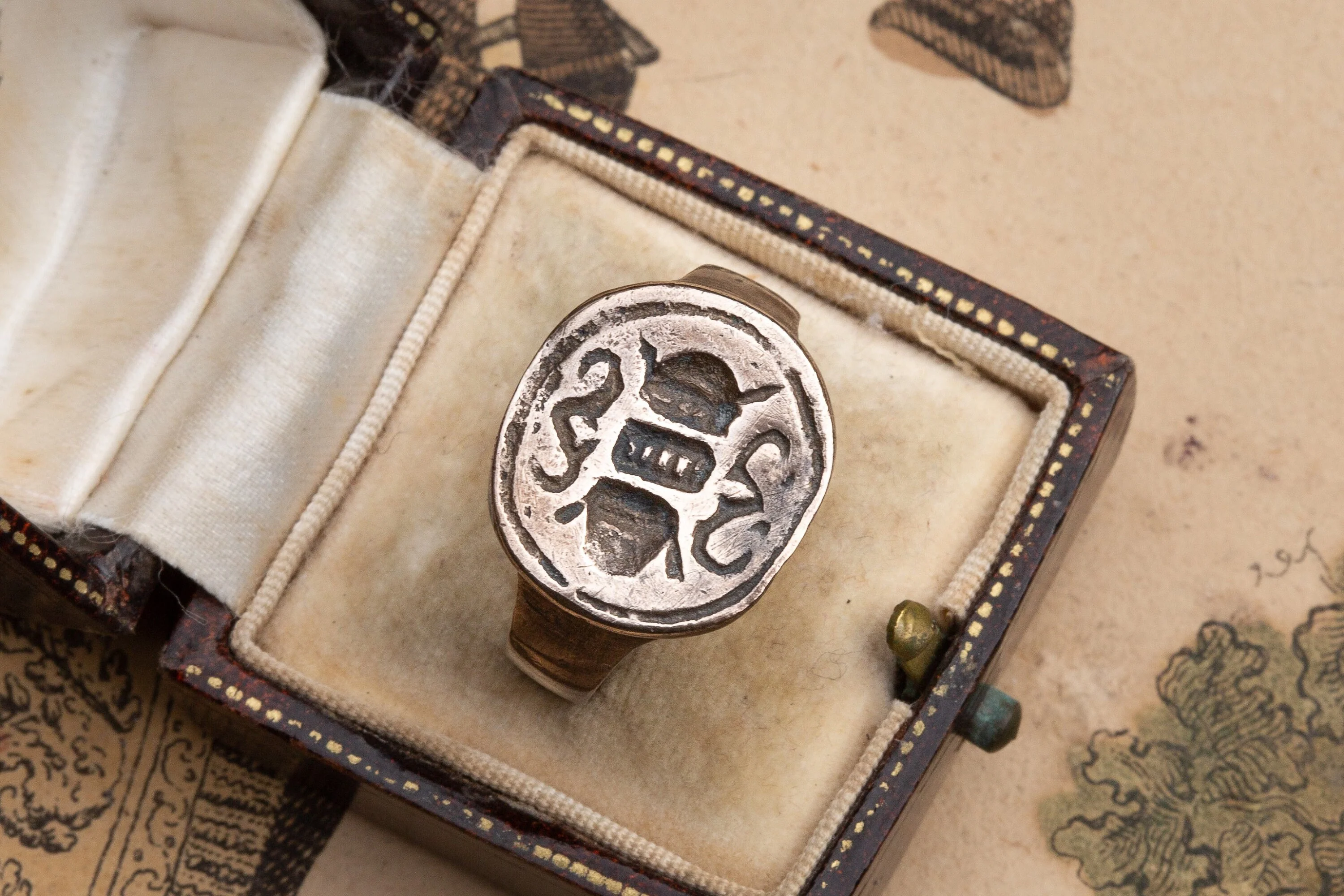
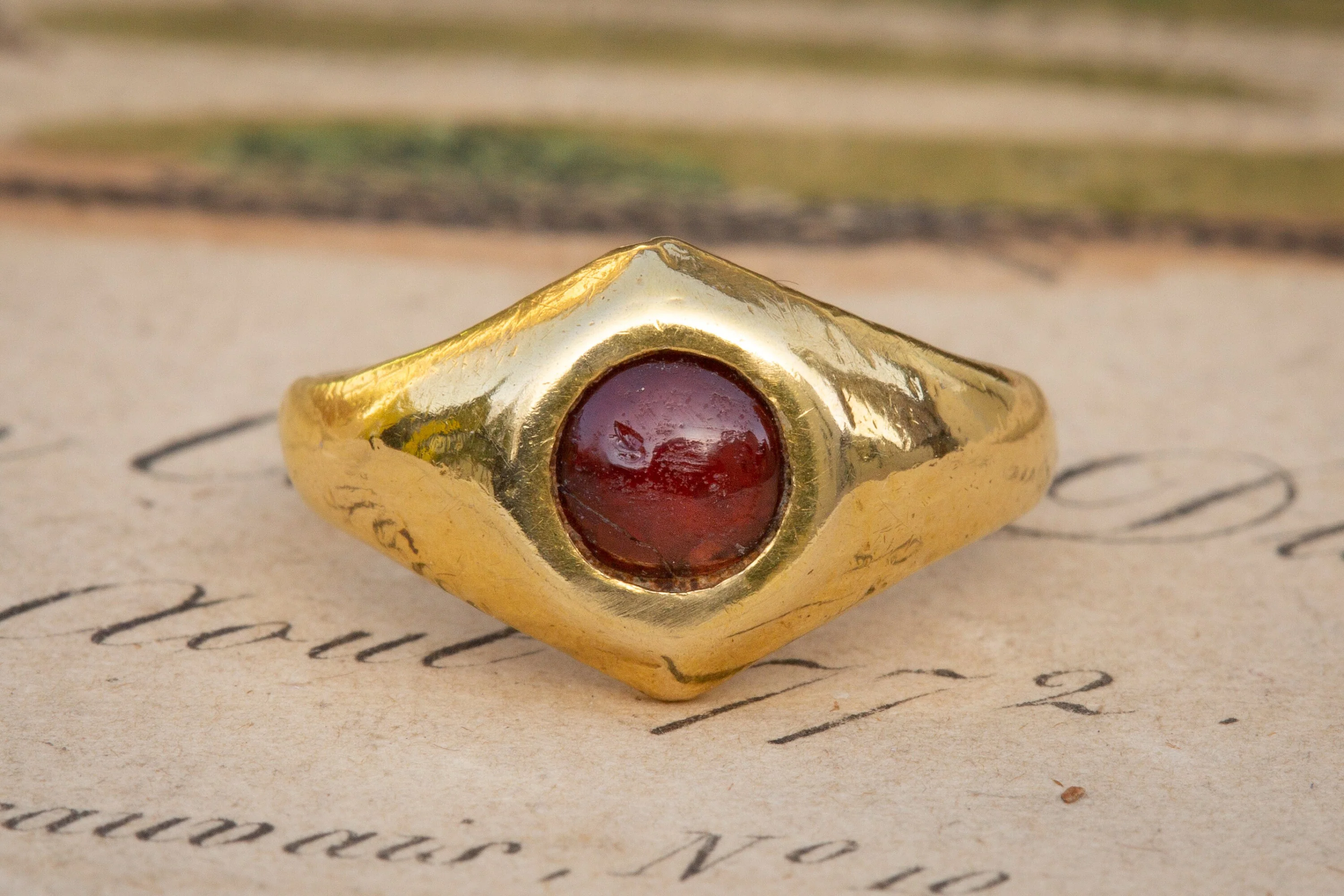
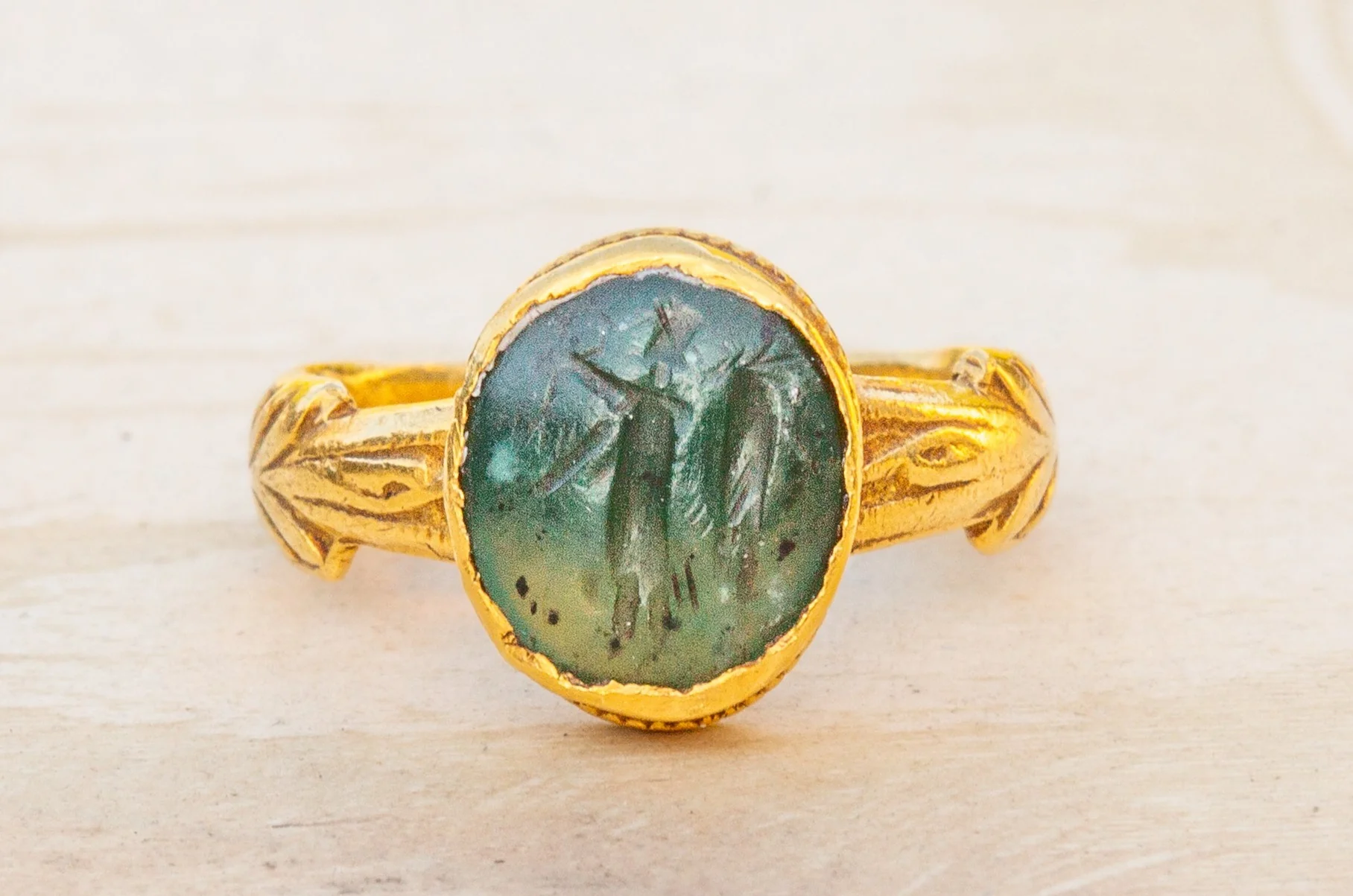
A scarce ancient Roman intaglio dating from the 1st to 2nd century AD, depicting Victoria, the Roman Goddess of Victory (also known as Nike in Greek mythology). The cabochon gemstone is a chromium chalcedony, mottled green in colour. It was known in the ancient world as a ‘plasma’ stone and was widely used in jewellery and seals throughout the Roman Empire. However the mineral disappeared from use in the ancient world towards the end of the 2nd century AD when the known deposits were mined out.
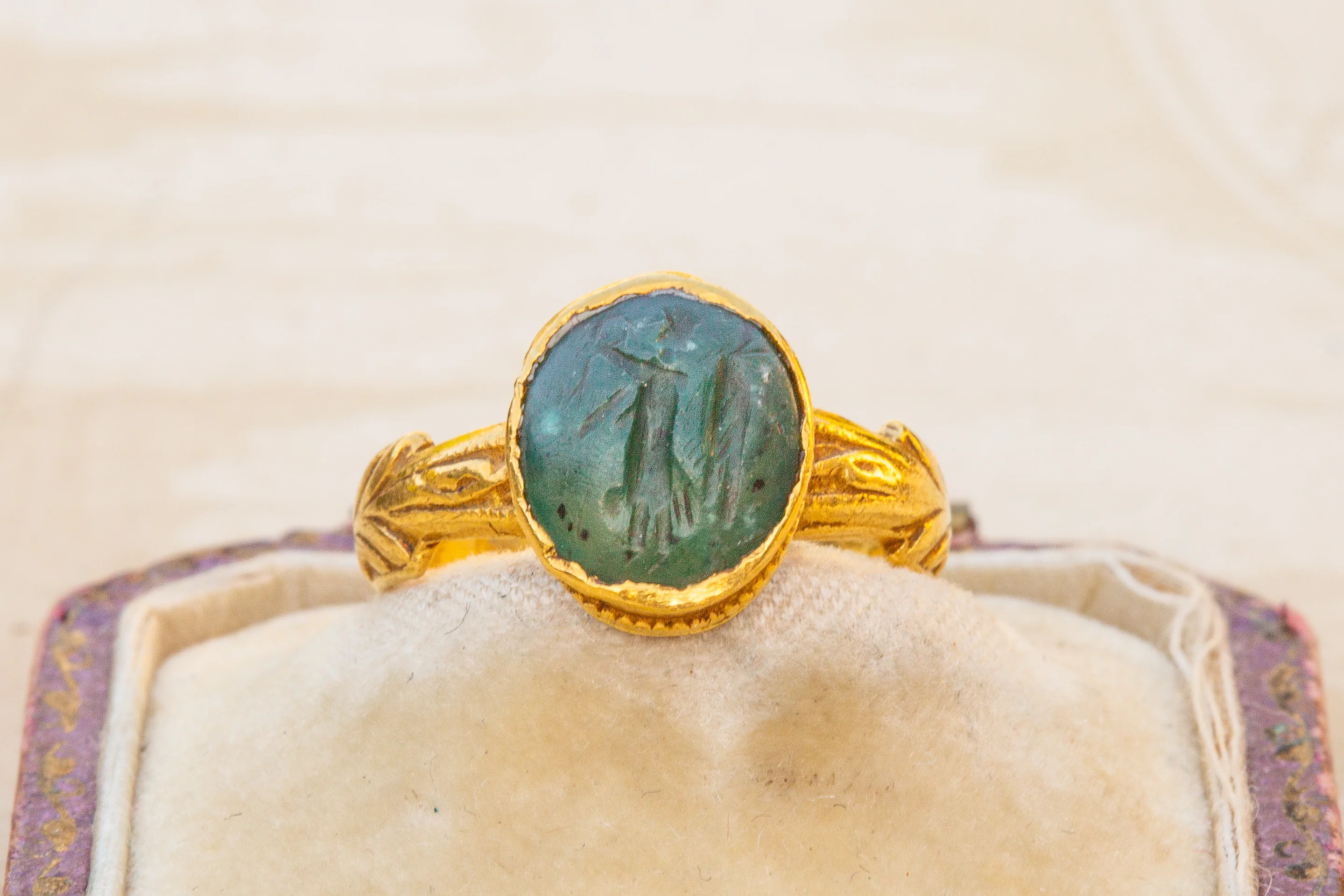
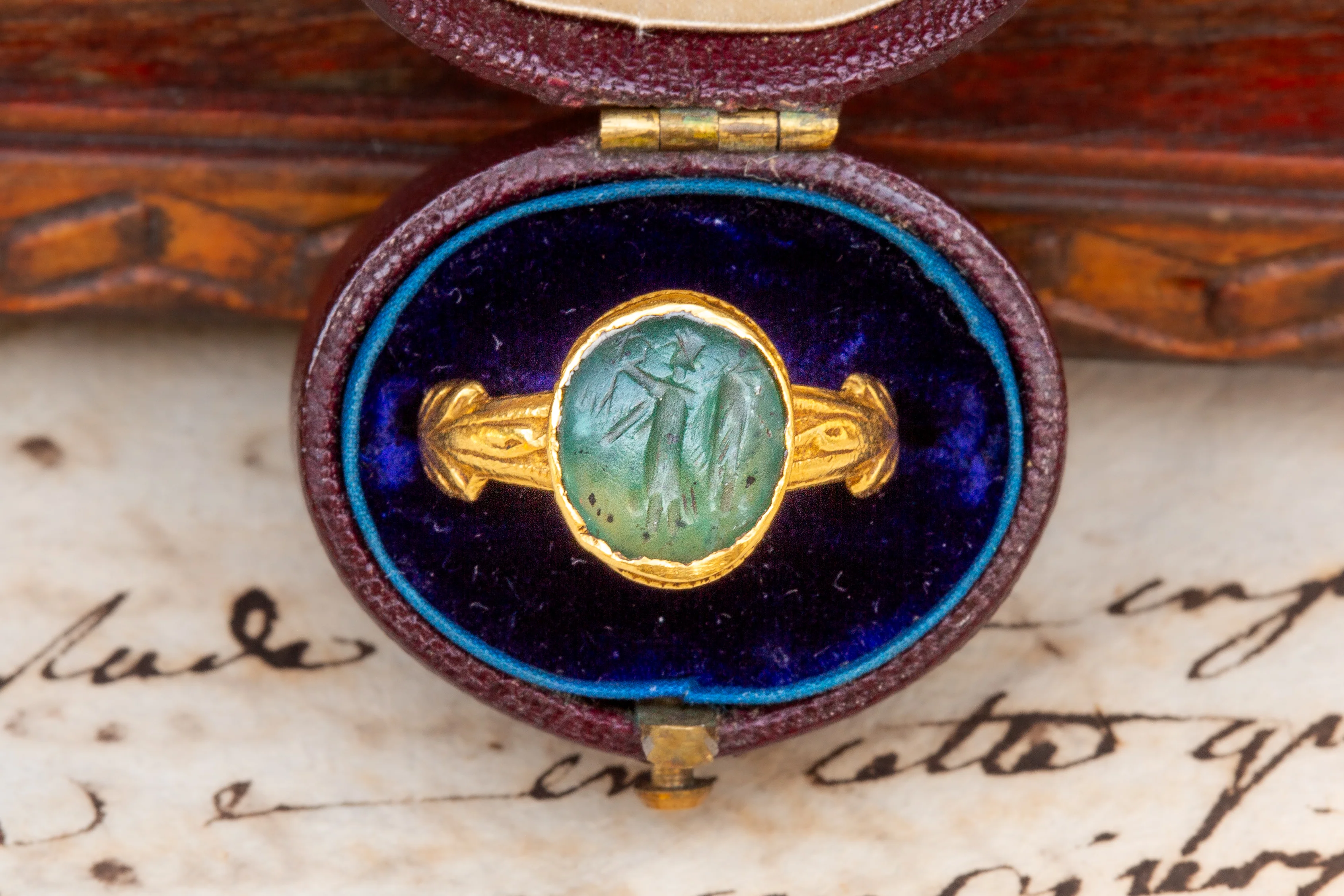
The intricate ancient engraving depicts a winged Victoria, draped and facing left, holding a palm branch in her right hand and a laurel leaf in her left. The green gem is translucent and contains small dotted black natural inclusions. The gemstone’s viridian green tones were linked to nature, growth, and prosperity, reflecting the Romans' appreciation for abundance and fertility.
Victoria played a major part of Roman society, with many temples erected in her honour including one on the Palatine Hill which would house the spoils of war from Roman victories. She was, to the Romans, a symbol of victory over death, ultimately determining who would be successful during war. The high number of artistic and architectural dedications to her bear witness to the popularity of the goddess’ cult: Victoria widely appears on Roman coins, jewellery, architecture, and other works of art.
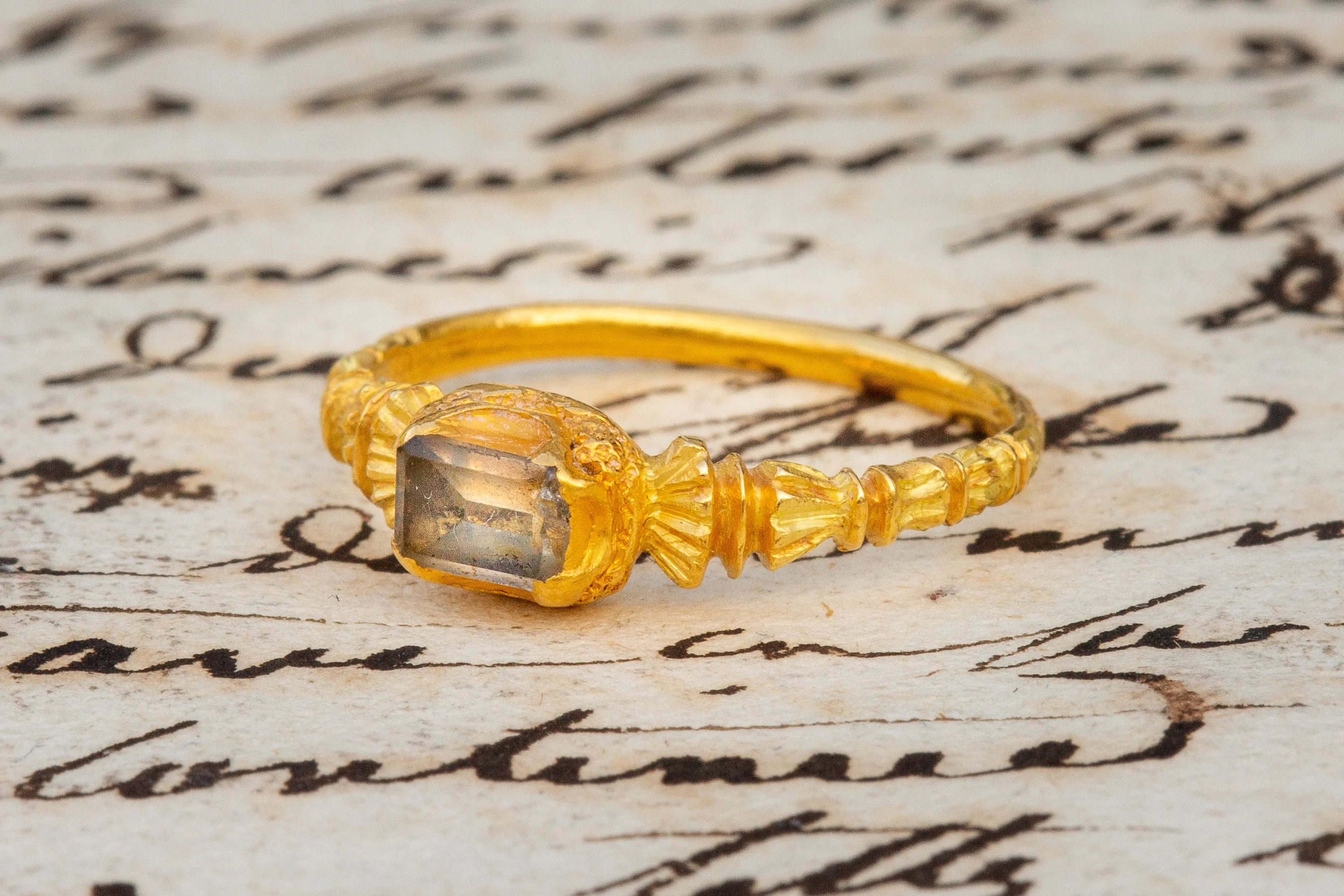
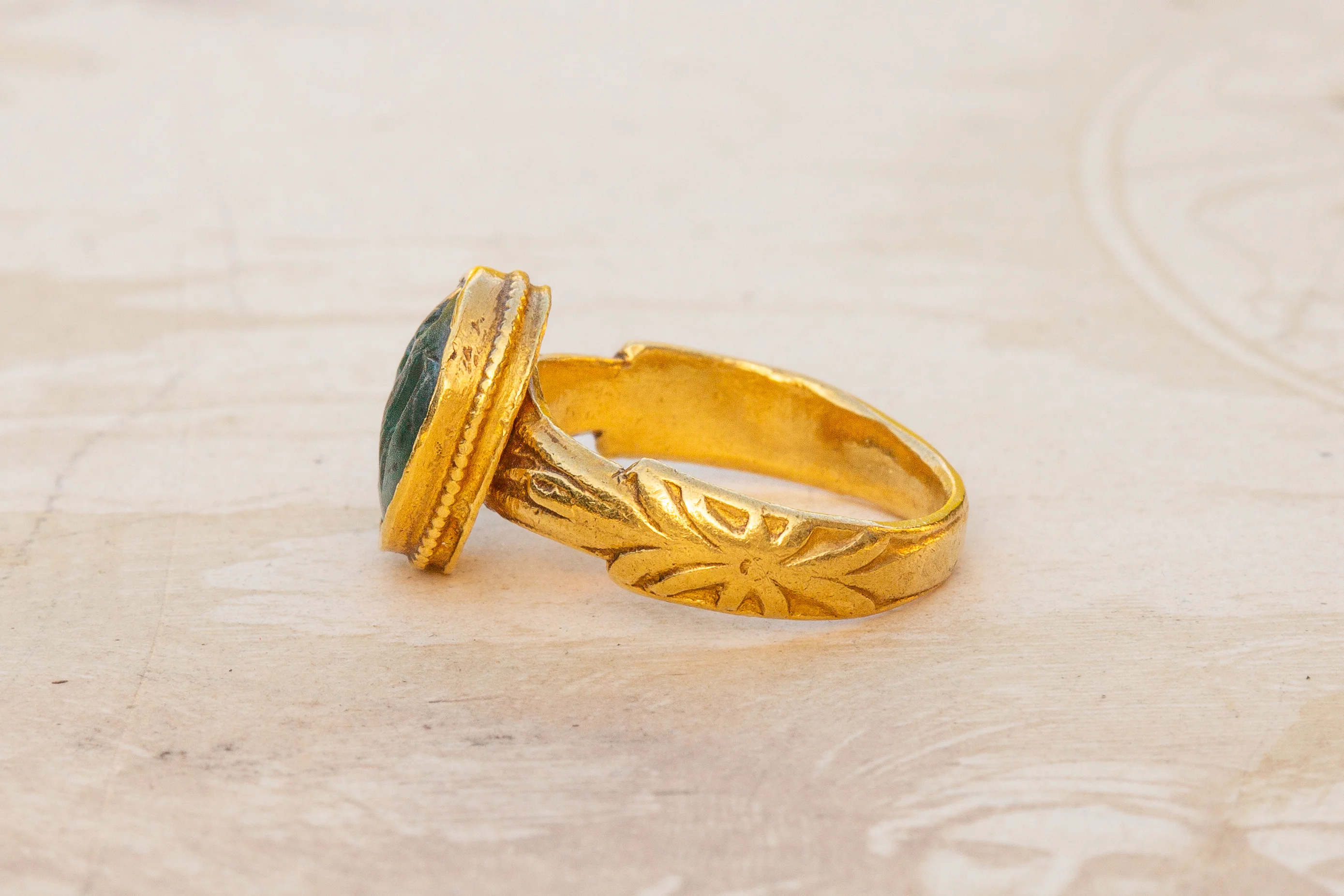
The ancient intaglio is set in a later high-karat gold mount, probably dating from the 18th or early 19th centuries but crafted in keeping with ancient ring types. The bezel features a fine beaded rim, which leads to chased and arrowed shoulders. While undoubtedly being a status symbol in Roman society, wearing these gems served a more serious purpose as well; they were thought to to have apotropaic or prophylactic properties. Various similar examples of intaglios reside in notable collections and museums. See final photos for similar items in the British Museum (1923,0401.208, 1872,0604.175, 1987,0212.219, 1987,0212.221) and the Metropolitan Museum (81.6.100).
UK size J 1/2, US size 5
The ring weighs 6 grams and the intaglio measures 10mm x 9mm. The solid gold ring is unmarked but tests as high karat gold (21K).
The art of engraving gemstones has been admired since the early days of the Roman empire. However it was revived in Europe during the Renaissance, and again in the 18th and 19th centuries. Cameos and intaglios were prized and collected, sometimes as symbols of power and mounted in jewelled settings, sometimes as small objects for private devotion or enjoyment
Product Information
Product Information
Shipping & Returns
Shipping & Returns
Description
A scarce ancient Roman intaglio dating from the 1st to 2nd century AD, depicting Victoria, the Roman Goddess of Victory (also known as Nike in Greek mythology). The cabochon gemstone is a chromium chalcedony, mottled green in colour. It was known in the ancient world as a ‘plasma’ stone and was widely used in jewellery and seals throughout the Roman Empire. However the mineral disappeared from use in the ancient world towards the end of the 2nd century AD when the known deposits were mined out.
The intricate ancient engraving depicts a winged Victoria, draped and facing left, holding a palm branch in her right hand and a laurel leaf in her left. The green gem is translucent and contains small dotted black natural inclusions. The gemstone’s viridian green tones were linked to nature, growth, and prosperity, reflecting the Romans' appreciation for abundance and fertility.
Victoria played a major part of Roman society, with many temples erected in her honour including one on the Palatine Hill which would house the spoils of war from Roman victories. She was, to the Romans, a symbol of victory over death, ultimately determining who would be successful during war. The high number of artistic and architectural dedications to her bear witness to the popularity of the goddess’ cult: Victoria widely appears on Roman coins, jewellery, architecture, and other works of art.
The ancient intaglio is set in a later high-karat gold mount, probably dating from the 18th or early 19th centuries but crafted in keeping with ancient ring types. The bezel features a fine beaded rim, which leads to chased and arrowed shoulders. While undoubtedly being a status symbol in Roman society, wearing these gems served a more serious purpose as well; they were thought to to have apotropaic or prophylactic properties. Various similar examples of intaglios reside in notable collections and museums. See final photos for similar items in the British Museum (1923,0401.208, 1872,0604.175, 1987,0212.219, 1987,0212.221) and the Metropolitan Museum (81.6.100).
UK size J 1/2, US size 5
The ring weighs 6 grams and the intaglio measures 10mm x 9mm. The solid gold ring is unmarked but tests as high karat gold (21K).
The art of engraving gemstones has been admired since the early days of the Roman empire. However it was revived in Europe during the Renaissance, and again in the 18th and 19th centuries. Cameos and intaglios were prized and collected, sometimes as symbols of power and mounted in jewelled settings, sometimes as small objects for private devotion or enjoyment